It’s the holiday season for many and that means focusing on helping others, spreading cheer, and reaching deep into our sense of generosity.
The holiday season also coincides with the end of the year for businesses, including animal shelters, rescues, and breeders.
Shelters and rescues need to confirm their final numbers for taxes and to secure important qualifications such as no-kill status or adoption rates to receive state funding.
This means you often see a final peak of desperation beyond the typical pit peddling throughout the year.
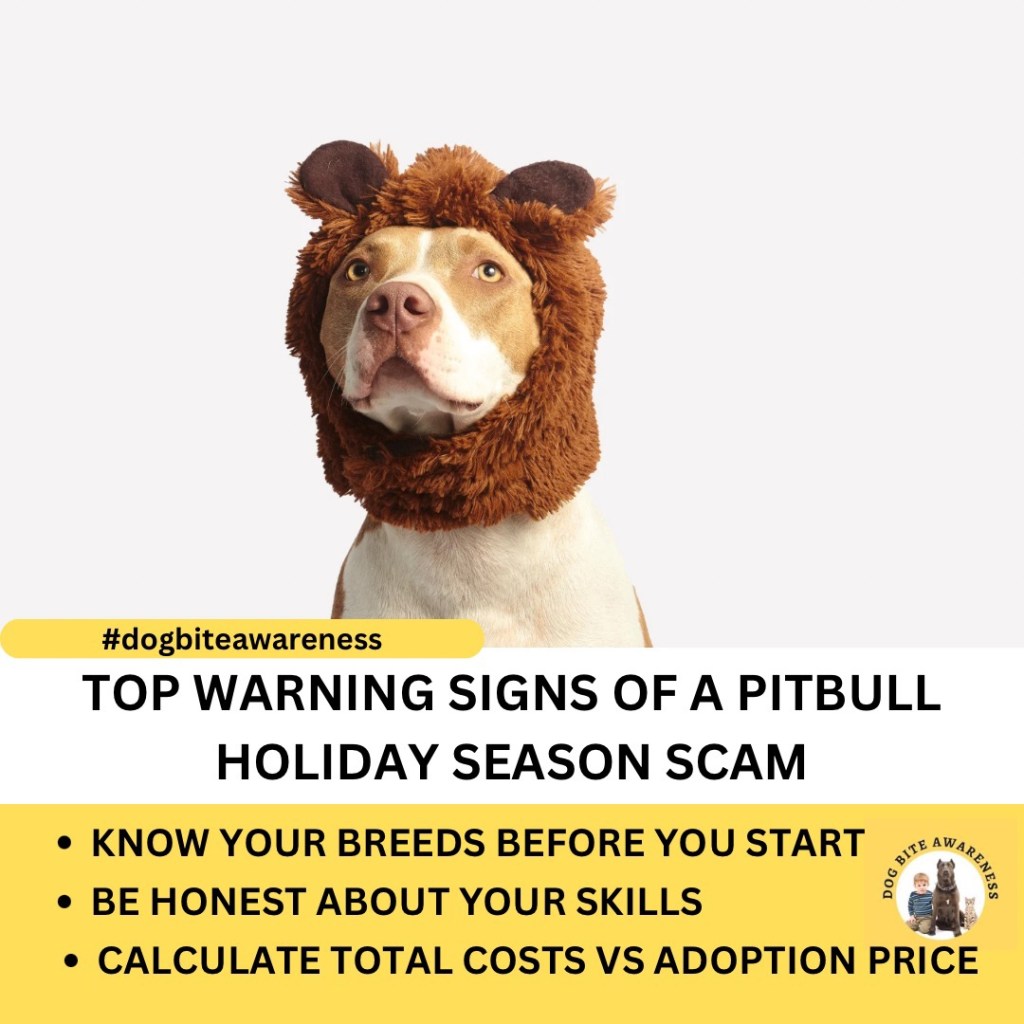
Here are some of the phrases or warning flags that you might be looking at a pitbull scam:
1. “Not sure how he will be around kids/cats/other dogs.” When shelters are cycling dogs rapidly without regulation or a certified behavioralist properly vetting the dogs, they will often use this phrase. They might select one, but not the others. For example, the ad might say #Brutus is good with large dogs, but unknown around cats. They might also lie by omission, such as never mentioning how the dog behaves around other animals. Other times, this phrase is used to partially disclose a dangerous dog. Instead of directly informing you that the dog is dangerous, they’ll say they just don’t know. This allows them deniability when you adopt the dog and experience and attack.
2. “Discount this month only!” “All large breeds are free!” “Adopt a bully and receive $150 giftcard!” Variations of this red flag all carry the same point: they can’t place certain dogs and are desperate to convince you to take responsibility for one, often right away. Ever heard of, “You get what you pay for?” With waiting lists often spanning years from ethical breeders and many dogs being stolen, you need to regulate your emotional impulses to see the logic here. Dogs that need giftcards to move are almost never going to be a reasonable house pet for a family with kids, or on a modest budget, or for new dog owners with novice skills. Don’t fall for a good deal that ends up costing you thousands of dollars later on, or worse, the lives of your loved ones.
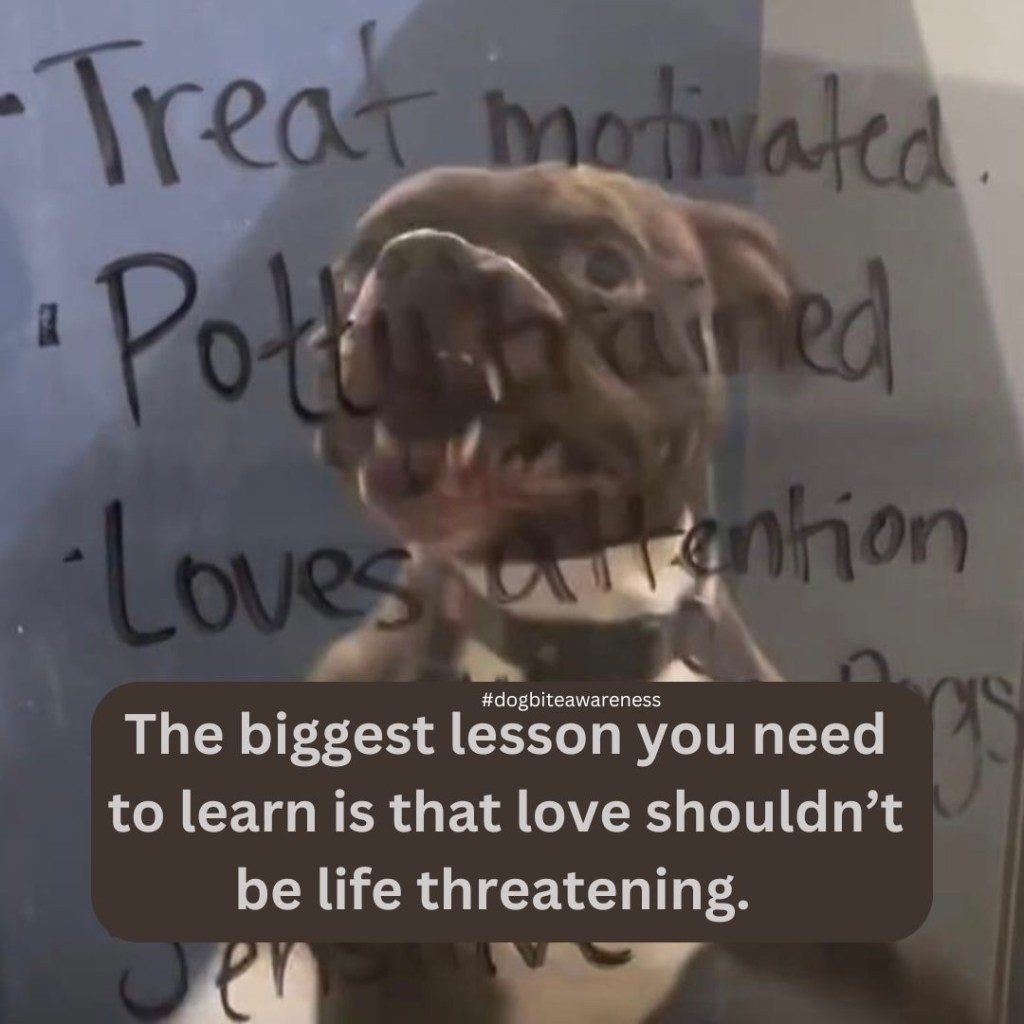
3. “Sweet #Luna just wants to be your only queen!” Any version of the “only pet” request should set alarms off in your head. This indicates a potential history of aggression that isn’t being truthfully disclosed. It could also mean extremely costly behavioral needs if you assume responsibility for the animal. A good trainer willing to help with DA and HA breeds can easily run several thousand dollars. Board and trains can be $10,000, $20,000 dollars at a time.
A lifetime of prescription medications to keep the dog from attacking might run you $1-2 a day on the cheaper end. Besides the financial cost, there are other sacrifices novice owners overlook. Such as never going on vacation again. Being unable to kennel the dog during an emergency. Never taking the dog outside or in public. Never hosting guests at your home. Some dogs are so dangerous, new owners end up having to move to less populated area or have to carry expensive hazard insurance. If you want to do this, that’s one thing. If you aren’t being explicitly informed about these details, that’s fraud.
4. “Transferred from another shelter.” “Moved from another state.” “Found as a stray.” All of these are fairly typical in rescue, but need careful analysis in the context of adopting a pitbull under holiday pressure. When long term residents can’t be placed in homes, they’re often transferred to new areas and given new stories and names to reach a different audience. This also occurs when the dog has a known dangerous history or when the previous owner publicly warns locals about the dog. Without a continuous, verified history, you have no idea what you’re about to bring into your home or what the dog truly needs and if you can provide it.
5. “Super low energy!” “Just wants a couch to relax!” “Laidback and lazy pit!” All dogs, even the laziest breeds, have exercise and stimulation needs. Pitbulls especially often have moderate to very high energy needs and a high need for stimulation. A good rescuer who truly cares about the dogs will never create the idea that any dog is lazy or only wants a couch. They would want to ensure that the new owner provides healthy, daily exercise and training. AND that you understand the basic characteristics of a breed in this category. Coupled with the issue of undocumented medication such as trazadone to keep dogs artificially calm for the adoption process and your BSometer should be high here. Once the traz wears off or the dog is in a home environment, it’s much more logical to expect behaviors that represent known breed traits.
6. “Returned for no fault of her own.” “Owner surrendered because they’re lazy/poor/bad people.” “Owner lied about the dog biting/it wasn’t that bad.” The priority with an ethical shelter is to place a dog in the best home for the dog and owner. Anytime they trash other owners publicly, block people on their business page for asking questions or sharing witness accounts, minimize any kind of attack, make fun of the victims (yes, this happens), or use ambiguous excuses, you’ve got a major red flag.
Not only does this indicate the dog has hidden behavioral issues. But it also tells you the shelter is not working in the dog’s best interest and can’t be trusted. Without full disclosure, you’re unable to be the best owner for the dog to prevent future attacks or other issues. It also shows they are not building up their community and instead are breeding division and conflict.

These are just a handful of common techniques used to flip pits. It’s important to be an informed consumer in the rescue industry. The lack of common sense regulation and easy manipulation on social media can lead to not only costly outcomes, but life threatening ones.
This becomes more serious when you’re bringing a pitbull into a residential area or into a home with small children or elderly loved ones.
The rescue industry has little to no oversight. It is up to you to fully research dog ownership, financial considerations, breed genetics and traits, training capability, and personal liability. Recognize that you might not receive full disclosure.
Understand what it means to sign legal documents and assume full responsibility for these dogs before you step into a shelter and fall in love with a “smiling” pup. Don’t be afraid to take a serious canine behavioral course online or to read higher level canine books ahead of time.
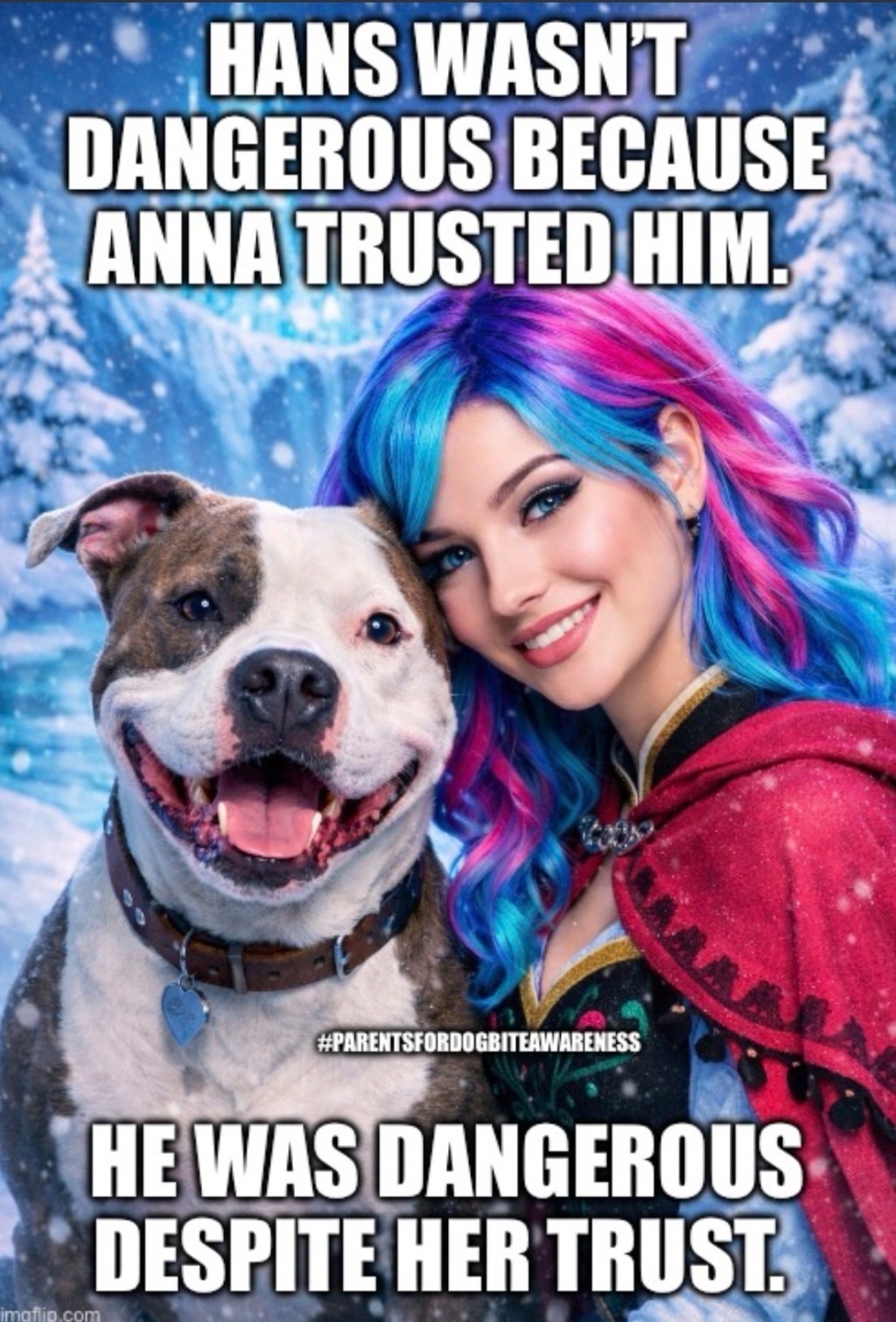
Above all else, trust your gut. Not your emotions. Not a cute meme. Not high pressure promotion in dog groups. Pay attention to your instinct and always give yourself permission to walk away.
Stay informed,
-JL DBA Editor©️


 Parents for Dog Bite Awareness
Leave a comment