
We need to address social status cues in the pitbull debate.
Yes, it is historical. Similar to other fighting animals in other cultures, the lowest class of humans participated in fighting games as a form of gambling and entertainment.
You can read about pre-industrial social classes and sports here: https://alevelpe.weebly.com/emergence-and-evolution-of-modern-sport.htmlhttps://alevelpe.weebly.com/emergence-and-evolution-of-modern-sport.html
This is also behind the origin of the Boston Terrier. The higher classes didn’t want to be associated with dog fighting. The creators of the Boston wanted a “lady’s companion” that could exist in their society.
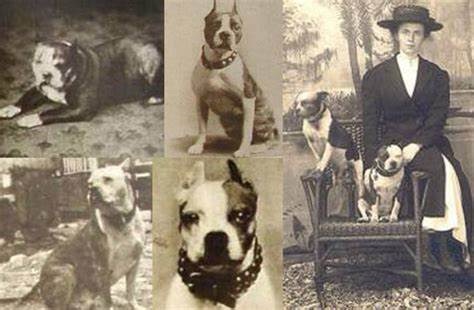
Dog fighting has been illegal for a long time in developed countries such as the United States, so after historical eras, it was associated with poverty and violence the same way illegal g/ns, street dr/gs etc are associated right now, too. It eventually became a social status cue, similar to how say, cigarettes, cars on cinder blocks, or certain styles of tattoos have cultural cues beyond cycles of poverty.
This cultural aspect needs to be addressed. Because you won’t change cycles without giving people permission to change their identity. Or to otherwise feel secure in their identity without pitbulls.
This is also one of the many reasons why debating pitbulls is instantly personal. Those who have their identity enmeshed in their culture feel threatened. What seems like a basic choice or logical debate to you is more like erasure and judgment to them.
Social status cues are precise and often severely effective. Along all levels, not just lower ones. Scientists have studied social status in depth and discovered that it is so critical, it even changes facial features in ways that are recognizable by others. Meaning, people inside and outside of your social class can accurately assess you by looking at you. We are talking about a complicated issue that’s forcing the pitbull crisis to continue.
I argue many pitbull activists fall prey to social status cues, developing mid approaches that fall into classism and elitism. We saw this recently when I made a post saying poor children deserve dogs who don’t tear them apart.
Take time to learn about the sociology behind pitbulls. I guarantee you that the pitbull lobby, shelters, etc are aware and maximizing their manipulation with this knowledge. Think about ways to share information without falling into these traps.
-JL #DBA Editor
voiceforthevoiceless #sheltersliepeopledie #StopTheViolencePeriod #ProtectOurChildren #parentsfordogbiteawareness
Related research worth exploring:
“The findings show that social class judgments are based on a distinctive constellation of facial characteristics. Faces that were considered to be of lower social status displayed distinct attributes, including greater width, shorter stature, flatter contours, downturned jaws, and darker, cooler complexions.
Each of these facial features also made faces appear more incompetent, cold, or untrustworthy. In contrast, faces perceived as rich were narrower and longer with upturned mouths and lighter, warmer complexions — features which corresponded to those associated with perceptions of competence, warmth, and trustworthiness.
“People who are perceived to be of high or low social class standing are also often judged as having advantageous or unfavorable traits, respectively. Such judgements are formed even just from facial appearance, and this can have substantial downstream consequences, including disadvantaging those who are perceived to be of lower social class standing,”
said corresponding author Dr. R. Thora Bjornsdottir.”
“First, we found spontaneous participant responses reflected several classic social class theories. Second, while the content often differed in terms of how participants discussed the working-class/poor compared to the middle-/upper-class, there was only one significant difference in frequency of response. Specifically, participants were more likely to express the embodied cultural capital theme when asked about the working-class/poor. Finally, participants with some more privileged identities (e.g., racially white, those with higher education, straight/heterosexual participants) were more likely to focus on symbolic or non-material aspects of class compared to participants with some less privileged identities (e.g., participants with lower incomes in their families of origin), who focused more on material and economic cues in determining a person’s class.”
https://spssi.onlinelibrary.wiley.com/doi/full/10.1111/asap.12373
“Countries with more inequality show more of these ambivalent stereotypes of both lower- and higher-SES people. At a variety of levels and life stages, social-class stereotypes reinforce inequality, but constructive contact can undermine them; future efforts need to address high-status privilege and to query more heterogeneous samples.”
https://pmc.ncbi.nlm.nih.gov/articles/PMC6020691/
“Recent UK media reports and government responses evidence a rising concern over irresponsible dog ownership, particularly the use of so-called status or weapon dogs. Youth criminal and antisocial behaviour using these dogs has been widely reported in urban areas and associated with street-based youth groups, in particular, the growing phenomenon of UK youth gangs. This article reports on the findings and implications of a small-scale study, comprising interviews with 25 youths and seven animal welfare and youth practitioners, which aimed to identify the nature of animal use and abuse in youth groups and gangs. It found that over half of the youths belonged to a youth gang and the remainder a youth group, with the majority owning an animal which was most often a ‘status’ dog (e.g., bull breed/type). Analysis revealed that dogs were used mainly for socialising and companionship, protection and enhancing status. More than 20 types of animal abuse were described by youths and practitioners.”
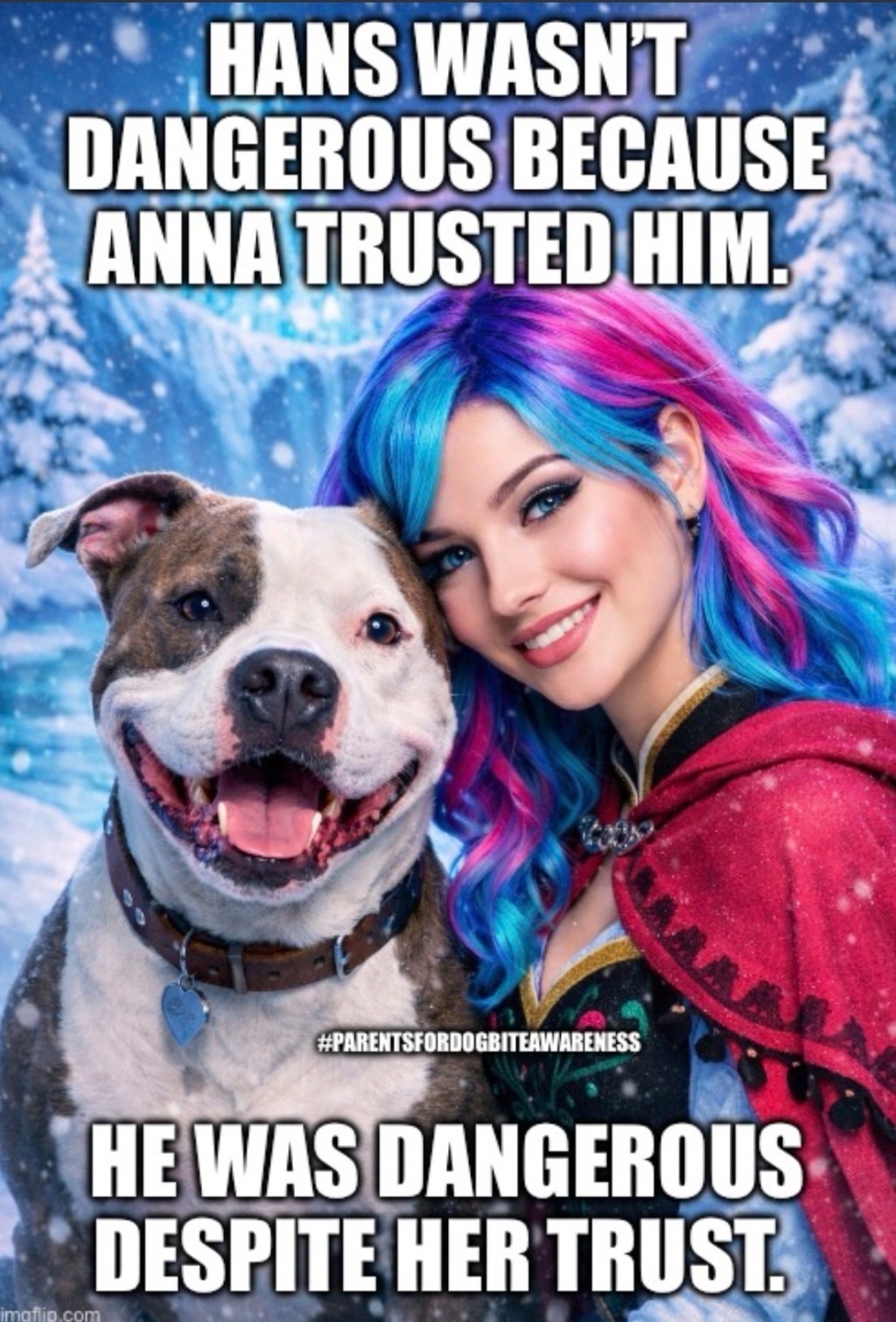
 Parents for Dog Bite Awareness
Leave a comment