🧠🐾
📚 Based on: Lass Hennemann et al., 2022 | BMC Psychiatry
#AttachmentTrauma #DogBiteAwareness #PitBullCrisis
⸻
It’s one of the most taboo but critical conversations we need to have if we’re ever going to stop the deadly cycle of maulings, disfigurements, and child fatalities:
👉 What if the real dog bite epidemic isn’t just about dogs… but about people struggling with unresolved trauma?
A 2022 peer reviewed study in BMC Psychiatry sheds light on a disturbing pattern:
🔗 People with insecure or disordered human attachment styles are far more likely to form intense, compensatory emotional bonds with dogs, especially dogs seen as “misunderstood,” “maligned,” or “feared.”
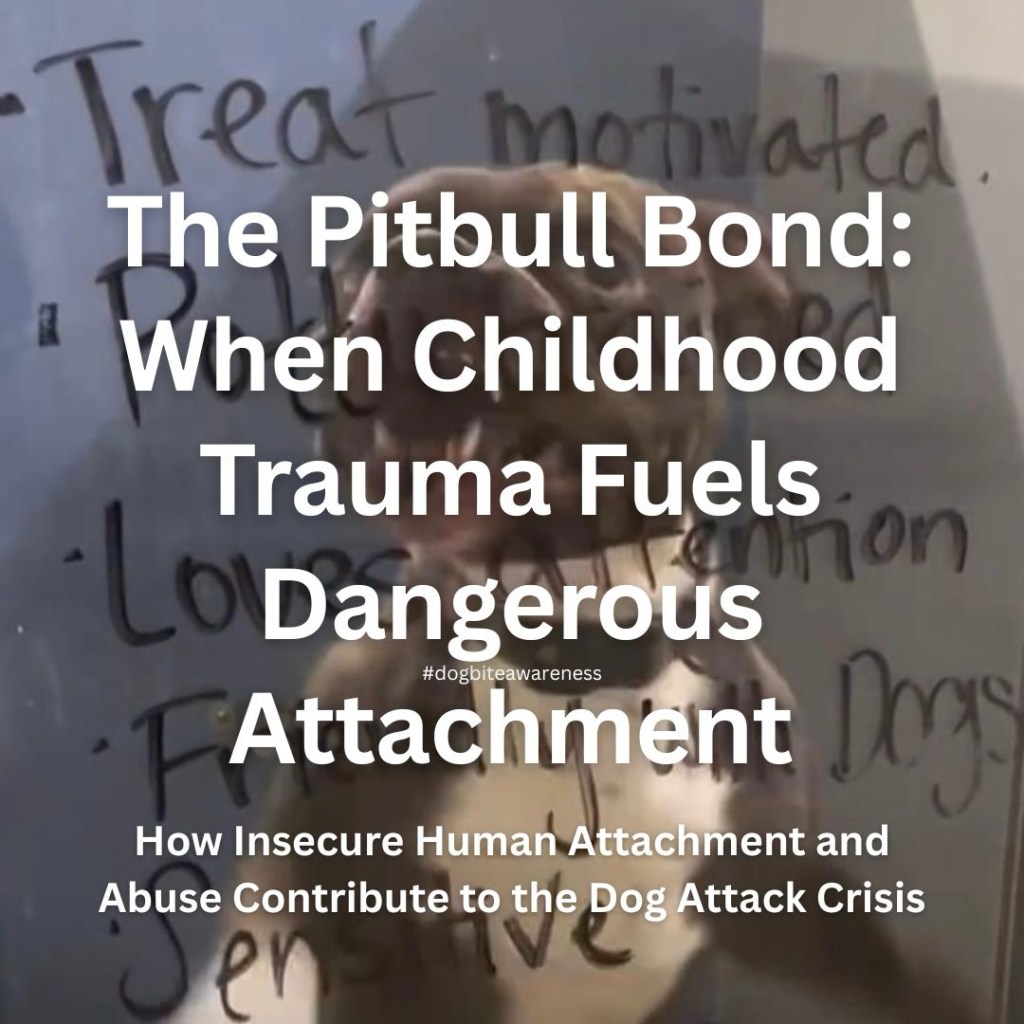
In other words, individuals who experienced abuse, neglect, or inconsistent caregiving as children may turn to dogs, often high risk breeds, as emotional surrogates. And while that may sound heartwarming, it comes with serious risks for the community:
🚨 These emotional bonds can override rational safety decisions.
🚨 These individuals may minimize or deny aggression even when it escalates.
🚨 When tragedy strikes, they often blame the victim and not the dog.
How does this connect to pitbull fanaticism?
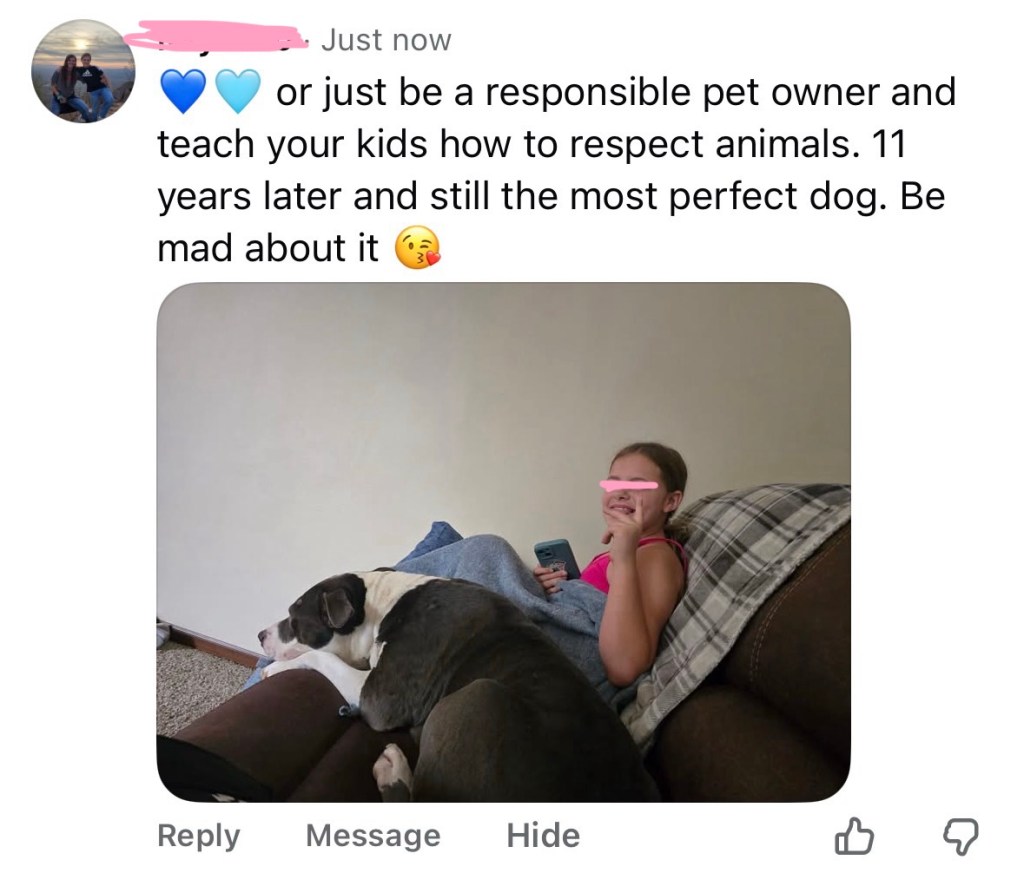
If you’ve ever engaged with online defenders of pit bulls, you’ve probably noticed a pattern: extreme aggression, unstable emotions, and obsession with silencing dissent.
This isn’t random. It mirrors what psychologists identify as maladaptive coping behaviors rooted in early trauma.
When someone grows up in chaos such as neglect, abuse, abandonment, they may develop insecure or disorganized attachment styles, making healthy human relationships feel unsafe or untrustworthy.
In turn, they over attach to animals, especially strong, loyal looking ones like pit bulls, as a way to reclaim control or substitute love.
But what begins as comfort can morph into dog directed codependency and fanaticism. These individuals may see the dog as their protector, child, or even avatar of self worth. Any criticism of the breed becomes a personal attack. Any victim report feels like betrayal. And when tragedy occurs, they cannot emotionally process the truth so they lash out, deflect, or deny.
This behavior is deeply dangerous. Not only does it normalize fatal violence, it also enables the next cycle of abuse, where a new child, neighbor, or bystander is mauled in the name of “misunderstood dogs.”
There’s a tragic irony here: many pit bull advocates are trauma survivors themselves, doing what they think is redemptive. But instead of healing, they often repeat cycles of violence, only this time, through the dog.
That’s why we see so many cases where:
• The dog has a known history of aggression, yet is kept around children
• The owner defends the dog, even after it kills a family member
• The community is blamed for not being “dog educated,” while basic safety is ignored
• Apologists flood social media with rage, denial, and conspiracies rather than facts
In this context, pit bull ownership becomes less about the dog and more about the owner’s identity, trauma history, and unresolved psychological patterns. And tragically, it’s innocent people, often children, who pay the price.
It’s time to stop pretending this is just about dogs.
📉 This is about human psychology.
📉 This is about adverse childhood experiences.
📉 This is about how trauma untreated becomes trauma transmitted onto children, onto neighbors, and onto the next innocent victim.
We must treat this like the public health crisis it is.
🧠 Public awareness campaigns should educate on how unresolved trauma leads to dangerous over bonding with pets.
👨⚖️ And yes, the law must stop excusing violent maulings because the owner “loved their dog.”
Love is not enough.
#DogBiteAwareness
#PitBullMyth
#ChildSafetyFirst
#MentalHealthMatters
#TraumaInformedPolicy
#StopTheMaulings
#UnstableOwnership
#FromGriefToAction
#AttachmentTrauma
#BreedMatters 🐾💔🧬
 Parents for Dog Bite Awareness
Leave a comment