
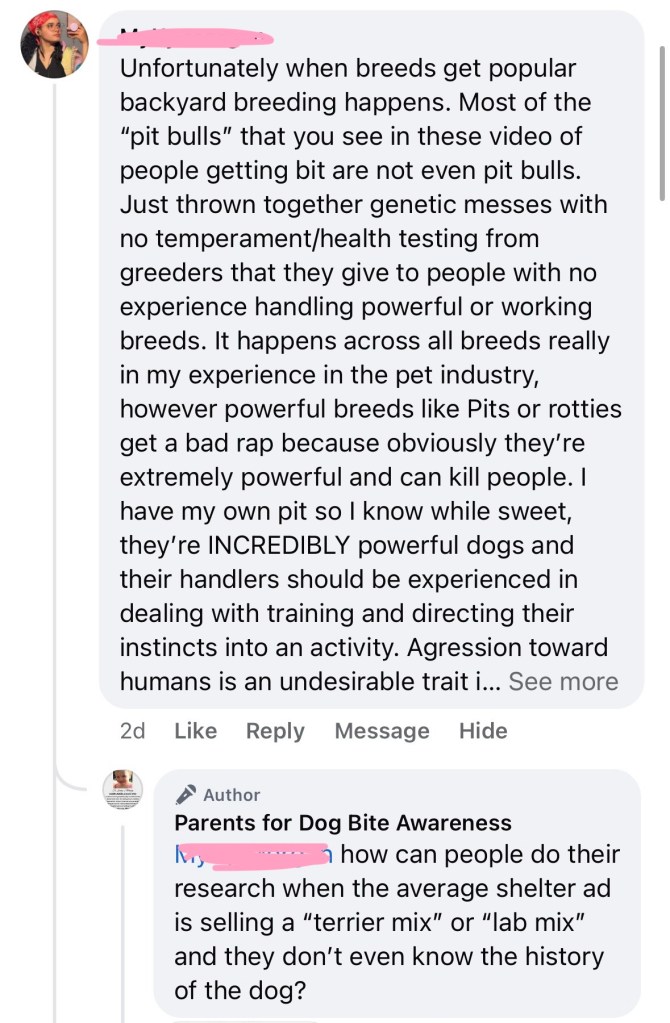
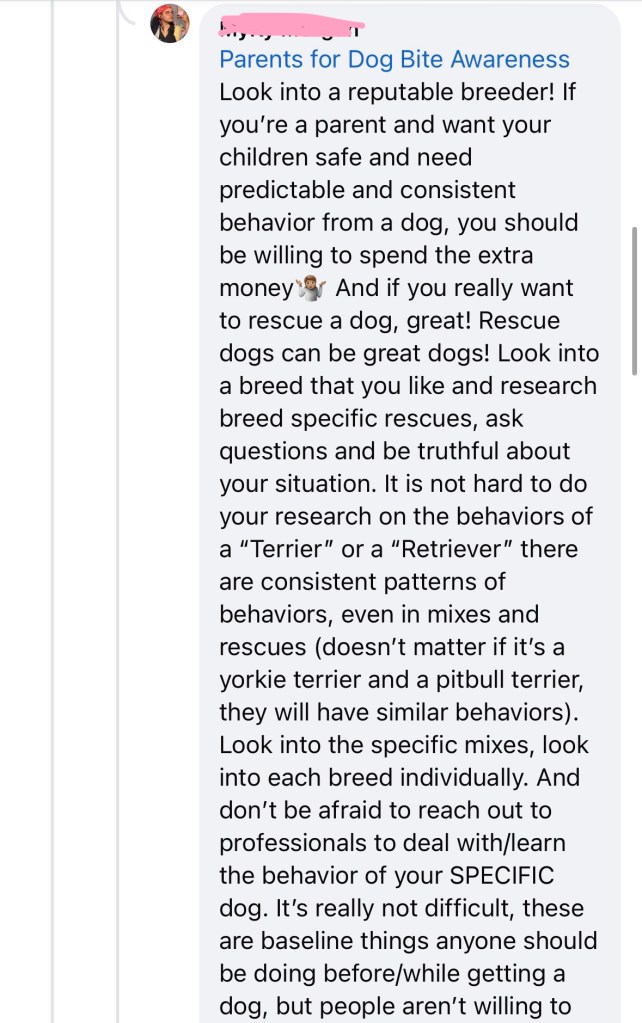
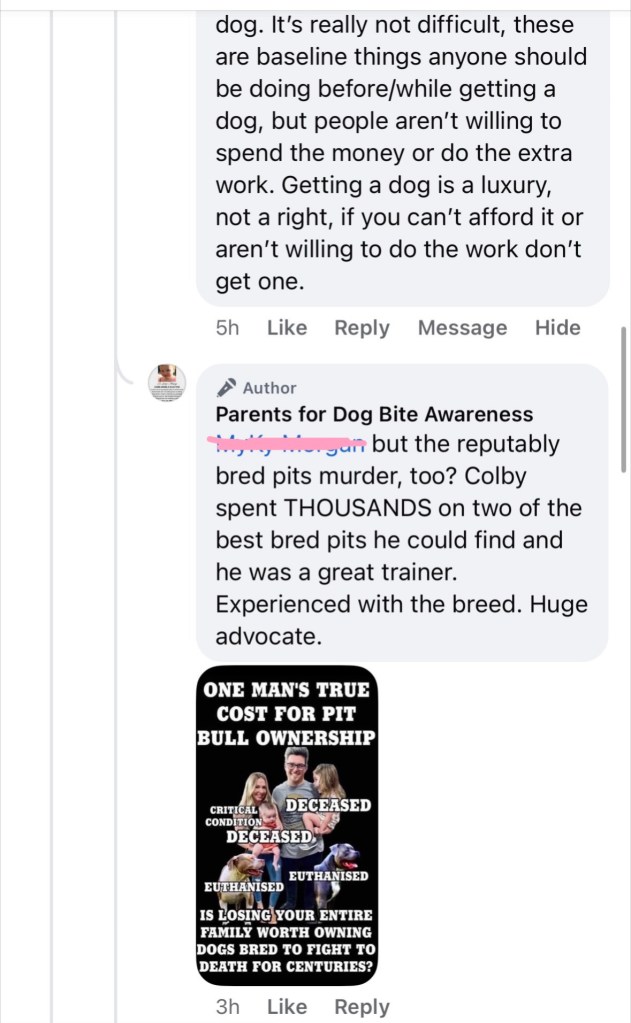

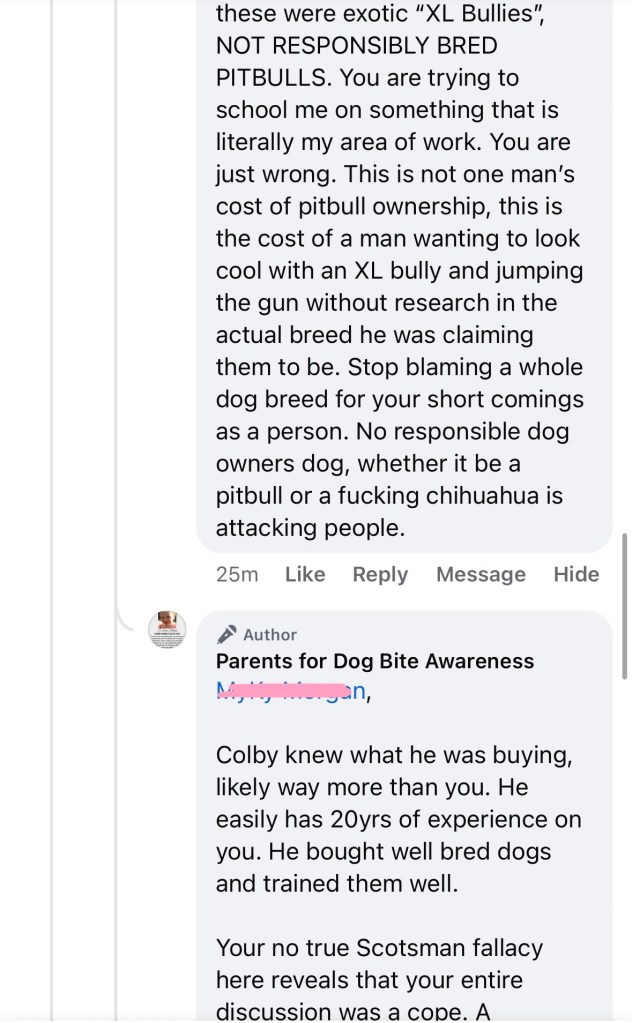
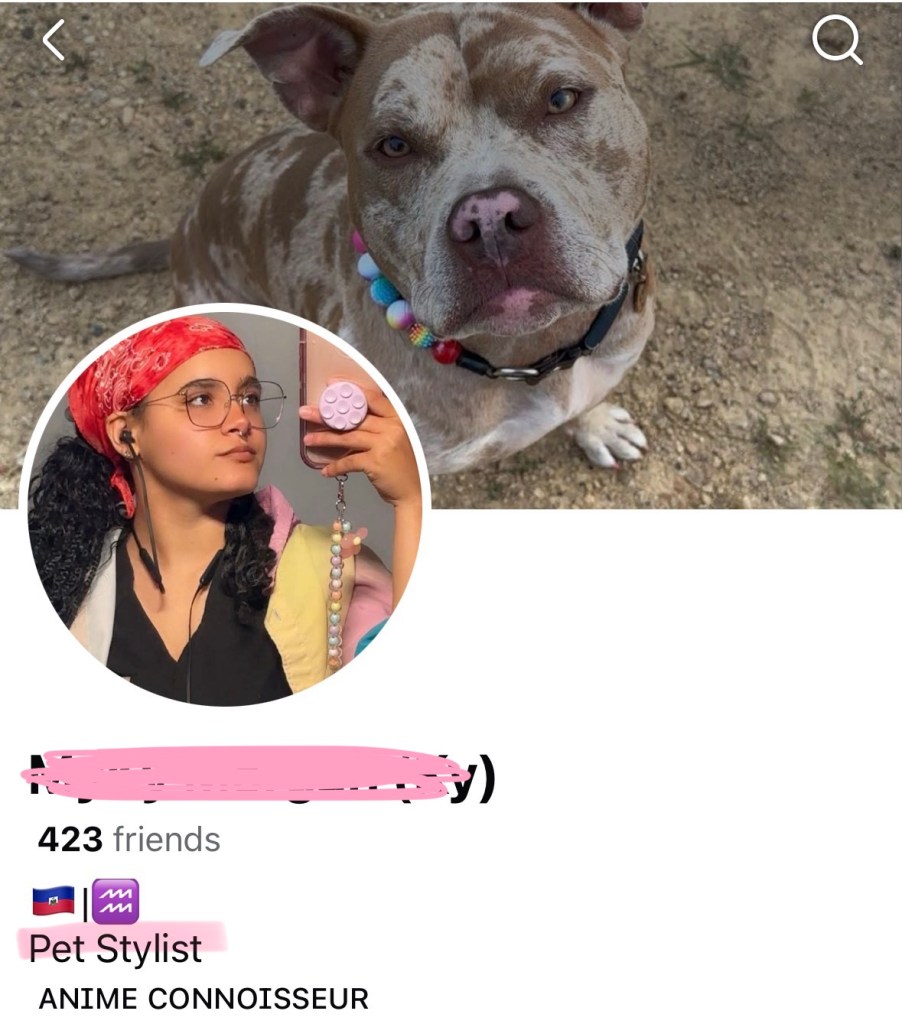
This one is long, so I get if it’s #tldr for you. But I wanted to archive it because it shows how bloodsport dog advocates will go back and forth no matter the point.
Notice how Myky immediately pivots when I mention #rescuedogs.
Then when I bring up the #Bennard case, she pivots again.
When someone is using fallacies to defend violent animals, there will be no standard or integrity. They are not debating, they are covering for the attacker.
-JL ©️ #DBA
𝗜. 𝗧𝗵𝗲 𝗦𝗵𝗮𝗱𝗼𝘄 𝗣𝘀𝘆𝗰𝗵𝗼𝗹𝗼𝗴𝘆 𝗢𝗳 𝗕𝗿𝗲𝗲𝗱 𝗗𝗲𝗳𝗲𝗻𝗱𝗲𝗿𝘀
When people defend breeds created for bloodsport, they often present themselves as rational educators. They claim to be “in the industry,” to “know the science,” and to “own the breed responsibly.” But underneath this calm veneer lies a consistent pattern of projection, manipulation, and moral inversion. These are the same psychological tactics used in abuse and victim blaming dynamics.
In Myky’s comment, we see several of these at play:
She repeatedly invokes her authority: “I’m in the pet industry,” “I have one of these dogs,” “I know this breed.” This rhetorical move establishes a power imbalance. It implies the other person’s observations or data are invalid based on her own experience.
She reframes the Bennard tragedy by claiming the dogs were “not real pit bulls.” This is gaslighting through definitional shifting by constantly moving the goalposts of what counts as a “pitbull” to ensure no fatality ever reflects on the breed itself.
She insists “no responsible owner’s dog attacks” and “no well bred pit bull is aggressive.” This circular logic guarantees the breed’s innocence no matter the evidence. With her logic, if a pitbull kills, it must not be a “true” one.
The victims and parents of mauled children are blamed for “not doing research,” “not being confident handlers,” or “not spending enough money.” This mirrors abuser logic where harm is reinterpreted as the victim’s fault for being naïve or weak.
Even as she acknowledges she’s been bitten “a lot,” she deflects by claiming “never by a pit bull.” The irony is revealing. Here she normalizes multiple dog attacks, yet the one breed statistically responsible for most disfiguring and fatal bites is magically exempt.
𝗜𝗜. 𝗧𝗵𝗲 𝗚𝗲𝗻𝗲𝘁𝗶𝗰 𝗧𝗿𝘂𝘁𝗵 𝗔𝗯𝗼𝘂𝘁 𝗣𝗶𝘁 𝗕𝘂𝗹𝗹𝘀
Pitbulls were not bred for companionship. They were engineered for combat with a fusion of bulldog tenacity and terrier drive. Historical records, including 19th century sporting journals, describe their selection
A “well bred” pit bull is not a docile pet. It is one that excels at its intended function: to grip and not let go. A champion fighting dog was, by definition, the most effective mauler. Calling such breeding “responsible” is a distortion of ethics and language.
Even the most stable, friendly pit bulls can exhibit spontaneous, explosive aggression, because the behavior was deliberately selected, not accidentally expressed. This isn’t about “bad training.” Rather, it’s about a neurological blueprint reinforced through centuries of human design.
𝗜𝗜𝗜. 𝗪𝗵𝘆 𝗧𝗵𝗶𝘀 𝗠𝗮𝘁𝘁𝗲𝗿𝘀
When defenders say “it’s the owner,” they erase:
• The genetic evidence of breed specific behavior
• The public safety implications for non-consenting victims
• The moral responsibility of breeding for harm
The culture of pitbull apologism thrives on emotional manipulation. It persuades people that empathy for the breed equals compassion, when in reality it often protects violent outcomes and silences victims.
If we want to change this culture, we must recognize the psychology behind it: the minimization, projection, and reframing that allow abuser logic to masquerade as dog expertise.
𝗜𝗩. 𝗧𝗵𝗲 𝗣𝗮𝘁𝗵 𝗙𝗼𝗿𝘄𝗮𝗿𝗱
Dog lovers and parents alike can unite around one principle: truth without denial.
No child should die to protect a myth. No parent should be shamed for speaking the truth.
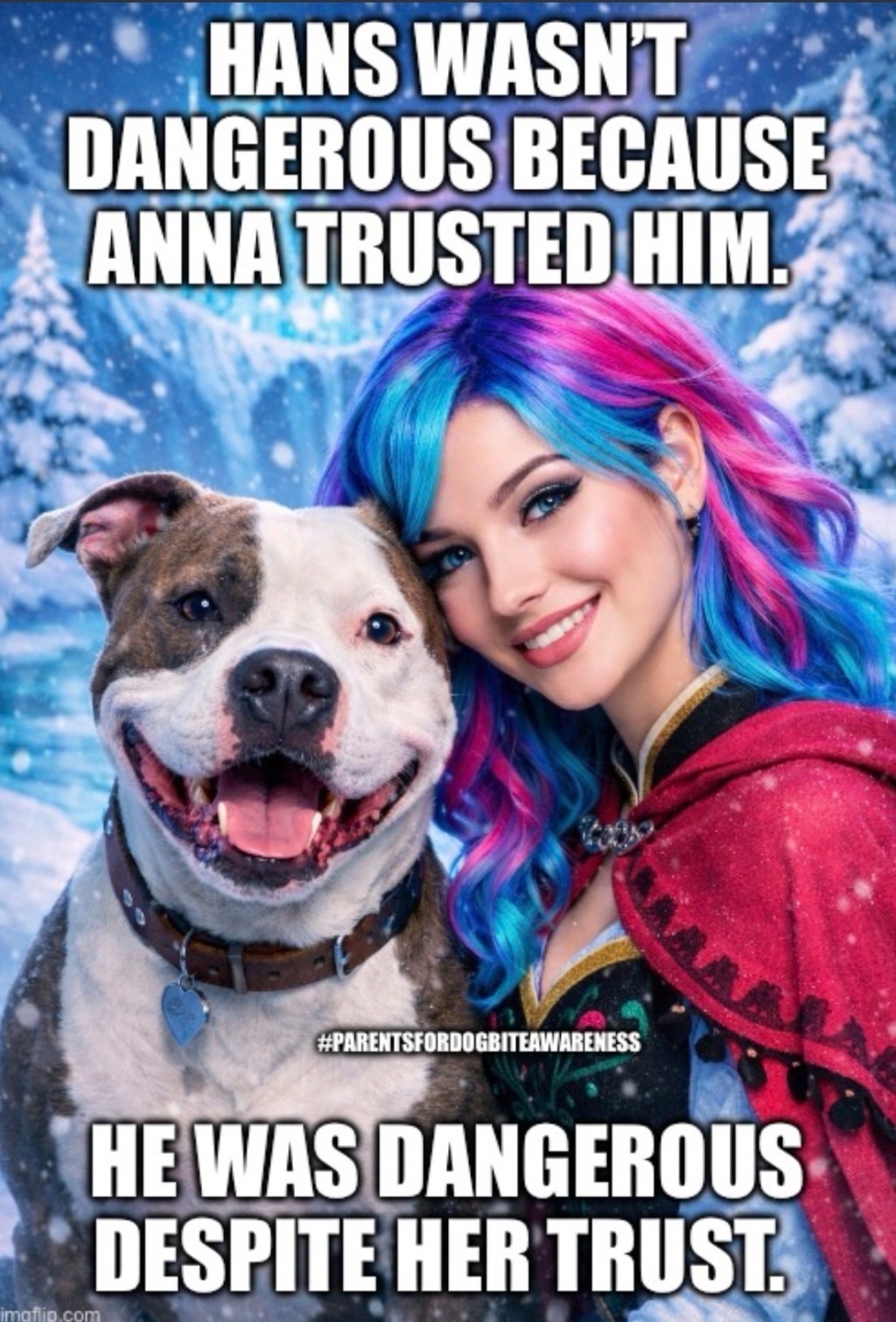

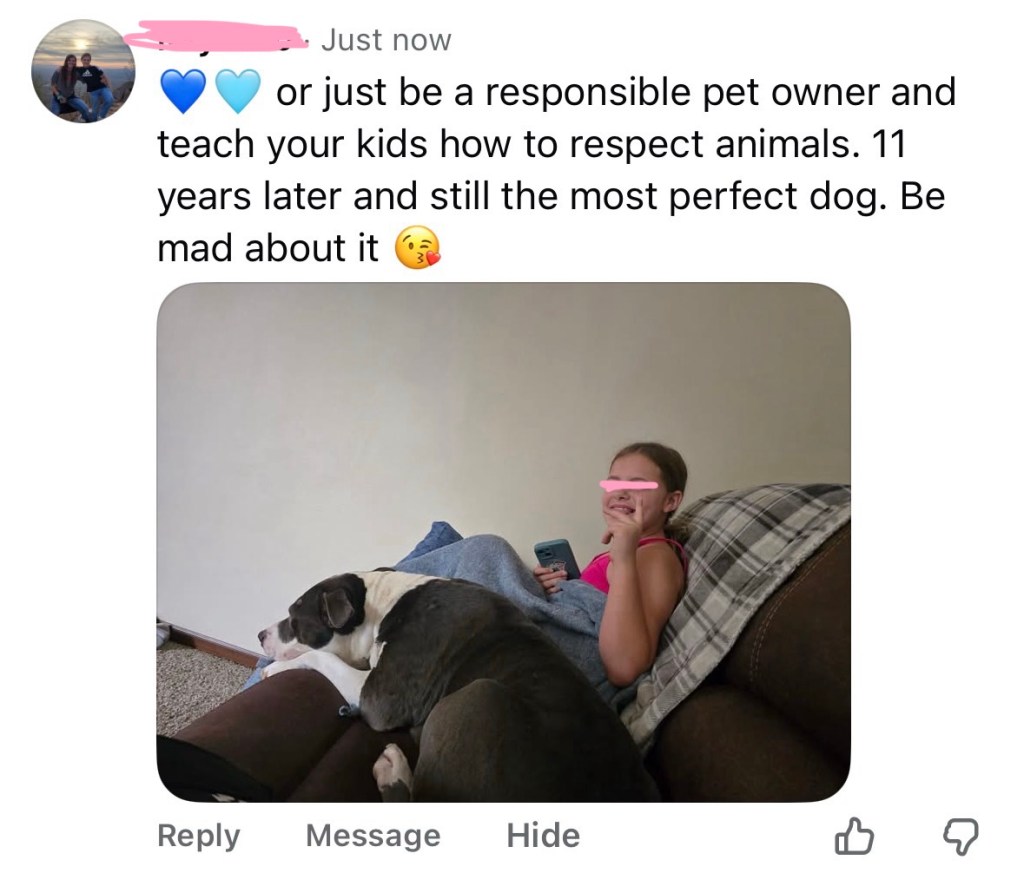
 Parents for Dog Bite Awareness
Leave a comment