

#dba 🩸🐾
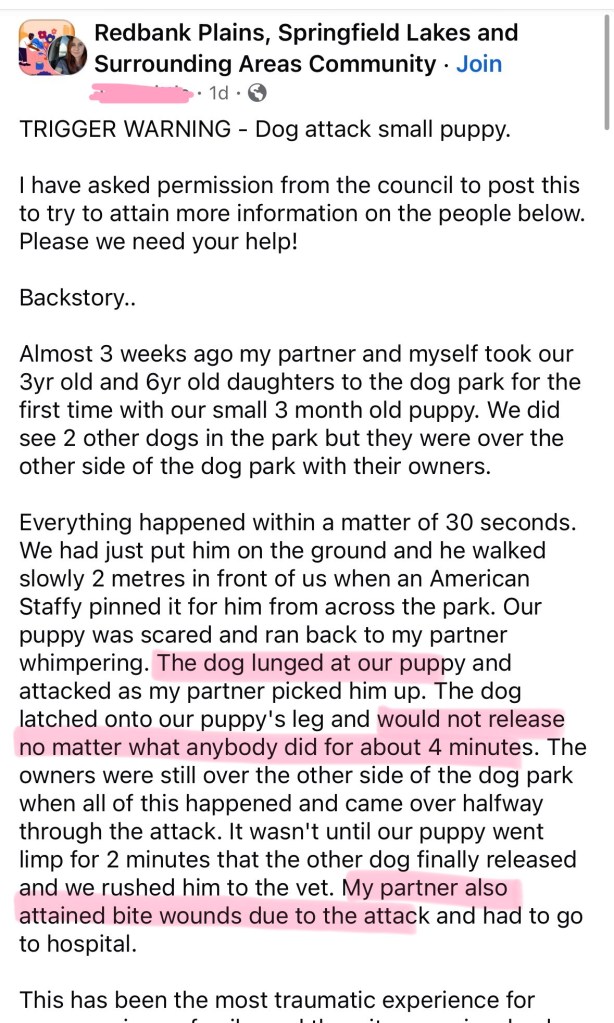
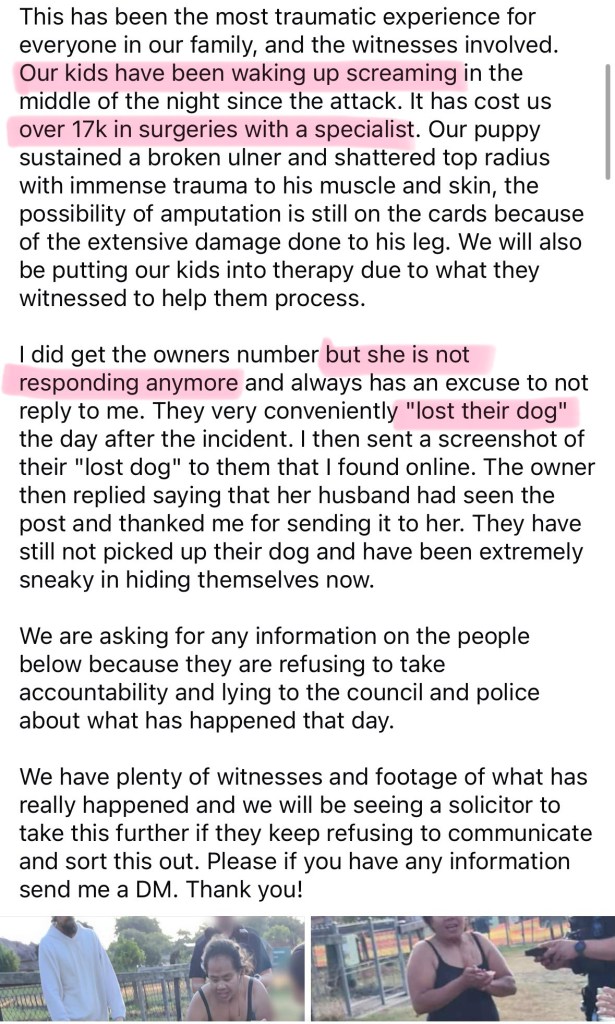
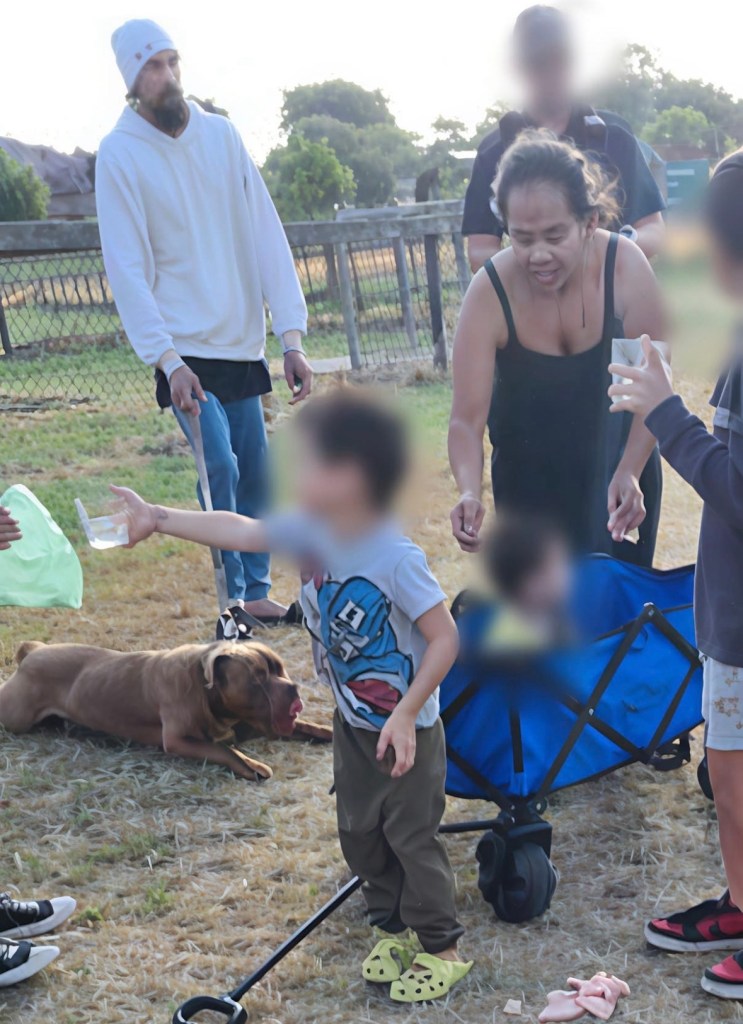
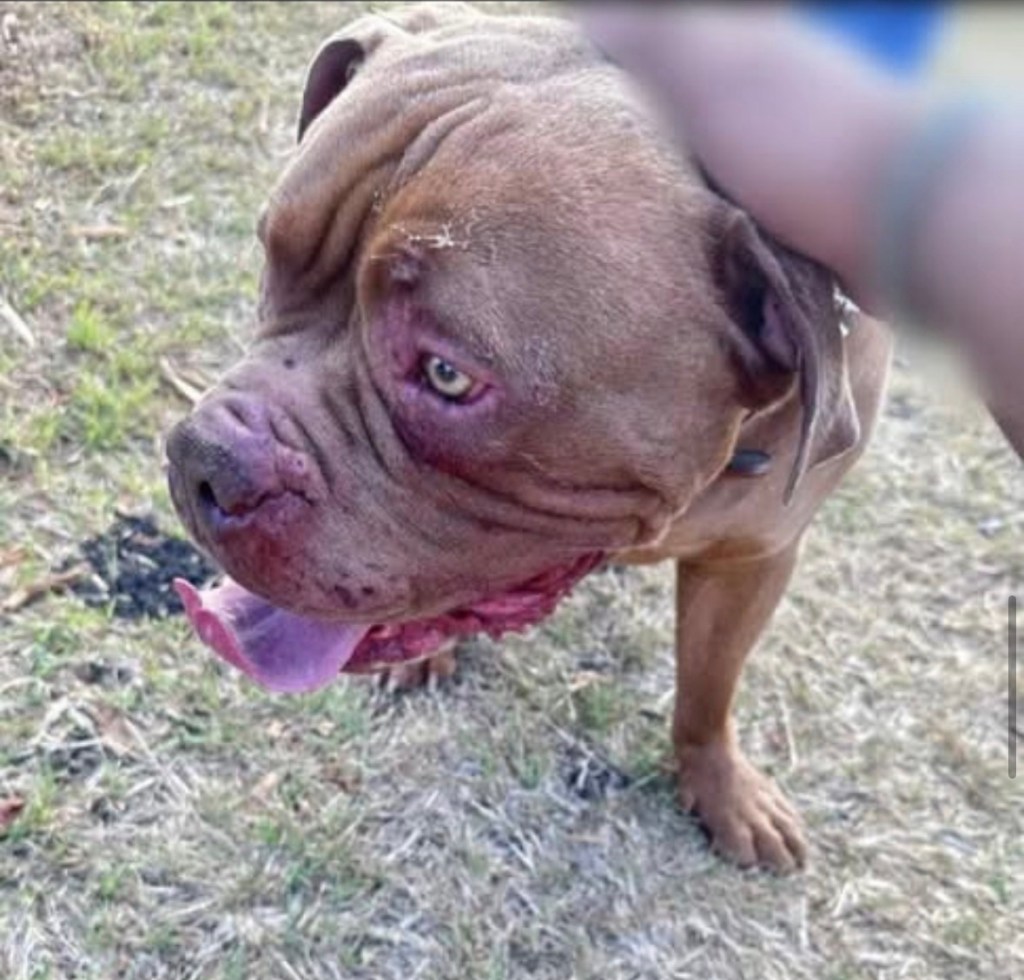
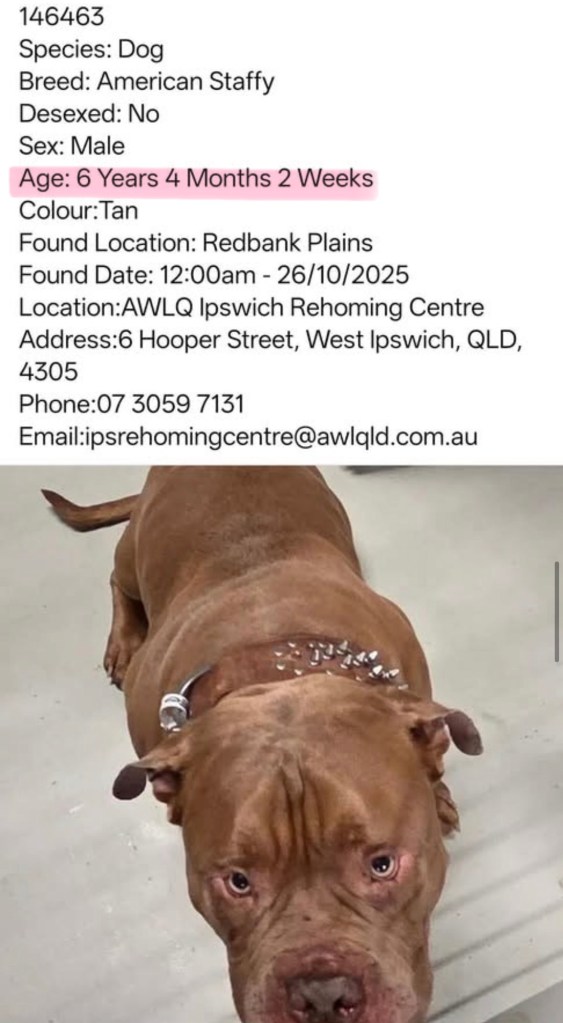
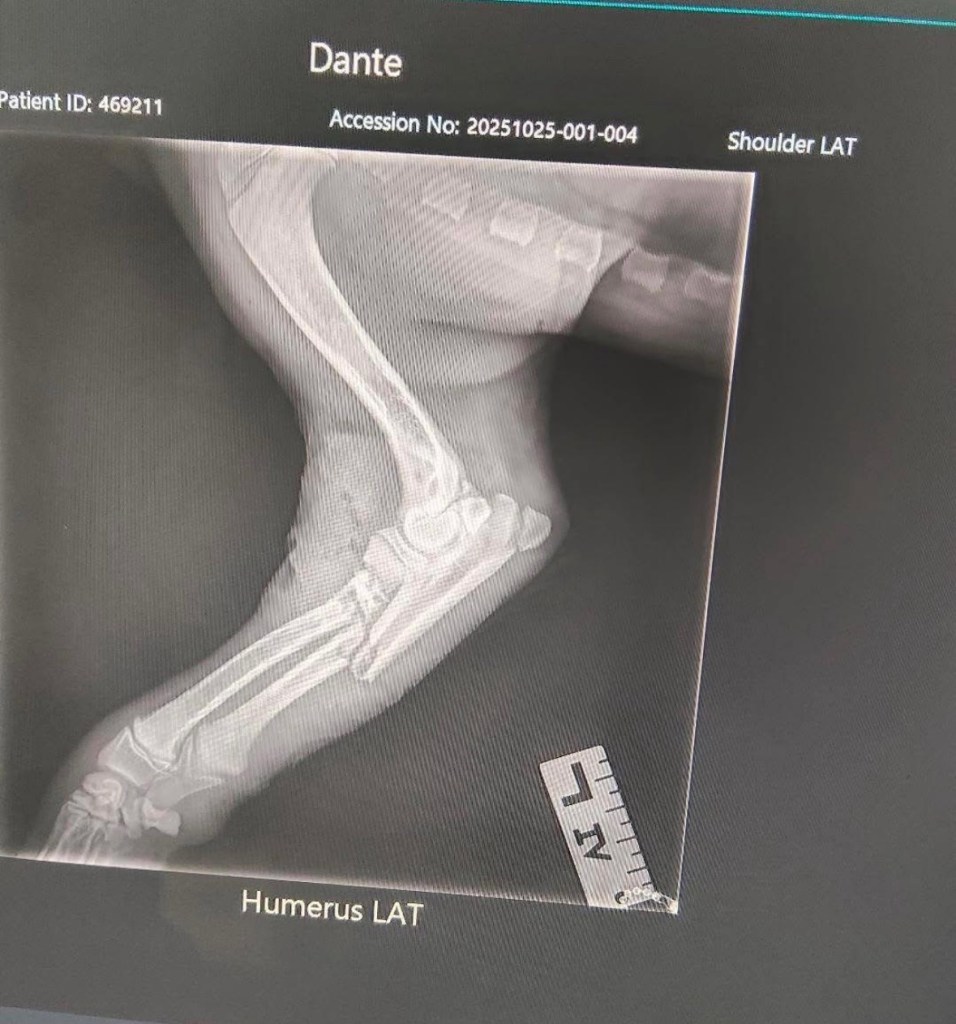
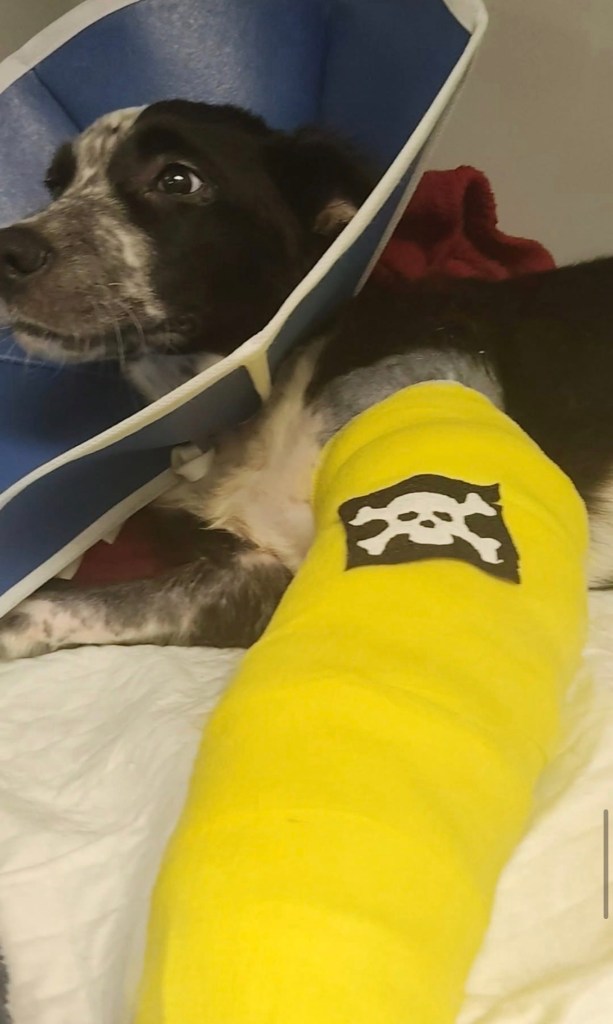
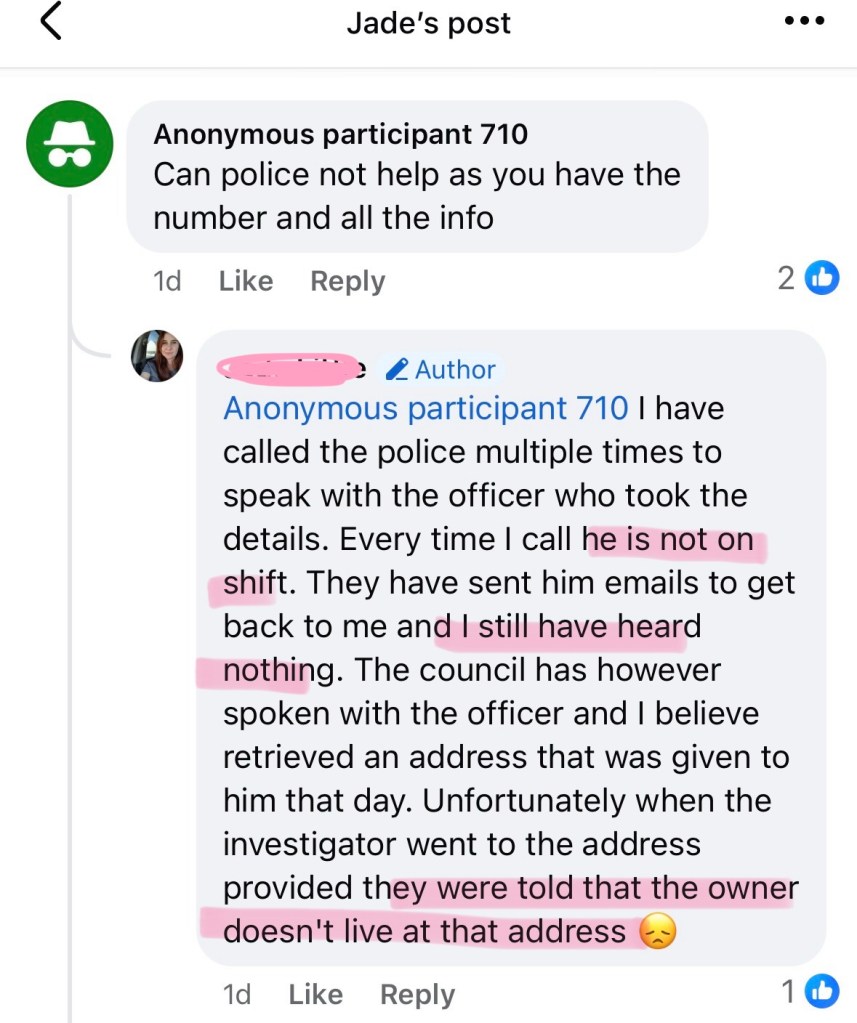
A family takes their young children and new puppy to a public dog park, a space meant for community, connection, and safe recreation. Within seconds, their puppy is mauled by an off leash “American Staffy,” a common pit bull type breed. The attack lasts 4 minutes. Their puppy’s leg is shattered. Their children witness it all. The owners of the attacking dog flee accountability.
So far, this sounds like a textbook case of violent negligence, and yet, if you read the public comments, you’ll find an all too familiar pattern. Victims being blamed. Bystanders deflecting responsibility. Abusers reframed as victims.
Here’s how it plays out, and why it matters.
𝗧𝗵𝗲 𝗩𝗶𝗰𝘁𝗶𝗺 𝗕𝗹𝗮𝗺𝗶𝗻𝗴 𝗦𝗰𝗿𝗶𝗽𝘁
Comments like:
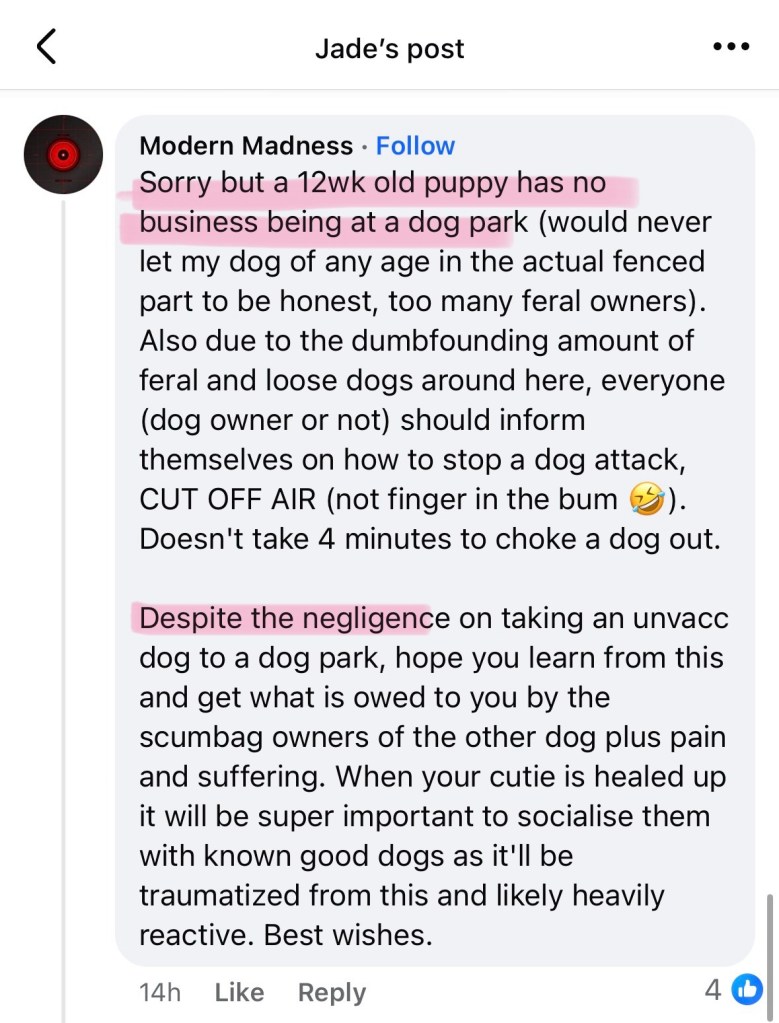
“A 12wk puppy has no business being at a dog park.”
“You should know how to choke a dog out.”
“I hope you learn from this.”
Sound familiar? They echo the same tone we hear after other forms of violence:
• “She shouldn’t have walked there at night.”
• “He should’ve known better than to provoke them.”
• “Maybe they did something to set it off.”
It’s the psychology of safety through superiority. See, if the bystander can convince themselves the victim made a mistake, they can believe it won’t happen to them. It’s a defense mechanism rooted in denial and fear.
But this mindset enables harm. It excuses dangerous owners, normalizes predatory behavior, and shifts accountability away from the aggressor.
𝗧𝗵𝗲 𝗗𝗼𝗴 𝗔𝘁𝘁𝗮𝗰𝗸 𝗗𝗲𝗻𝗶𝗮𝗹 𝗖𝘂𝗹𝘁𝘂𝗿𝗲
When bloodsport dogs attack, a strange social phenomenon unfolds: entire groups rush to explain it away.
“It’s not the breed.”
“Any dog can bite.”
“The puppy shouldn’t have been there.”
This mirrors domestic abuse minimization:
“He’s not like that, he just lost control.”
“It was a one time thing.”
“You’re overreacting.”
Both rely on cognitive dissonance: people want to believe in the illusion of control, that with enough love or “proper training,” the risk disappears. The problem is, statistically, it doesn’t.
Bloodsport dogs account for the majority of fatal and severe maulings across multiple countries. These events don’t come from “mean dogs” but from traits selectively bred for gripping, resisting pain, and sustained attack behavior. To acknowledge that means confronting uncomfortable truths about what some breeds were made to do.
And that truth threatens the “all dogs are the same” narrative that many cling to as a moral identity to feel kind, fair, and superior to the “judgmental.”
𝗣𝘀𝘆𝗰𝗵𝗼𝗹𝗼𝗴𝗶𝗰𝗮𝗹 𝗣𝗮𝗿𝗮𝗹𝗹𝗲𝗹𝘀 𝘁𝗼 𝗗𝗼𝗺𝗲𝘀𝘁𝗶𝗰 𝗩𝗶𝗼𝗹𝗲𝗻𝗰𝗲
Victims of dog attacks are often retraumatized the same way survivors of partner violence are:
• Their trauma is minimized. (“Just move on.”)
• Their judgment is questioned. (“Why did you bring your puppy?”)
• Their pain is rationalized. (“Dogs get scared.”)
This pattern isolates the victim and protects the perpetrator whether that perpetrator is a violent human or a high risk animal in the hands of an irresponsible owner.
Meanwhile, the community loses sight of the real issue: why are aggressive breeds allowed to roam in shared public spaces? Why are bad dog owners able to evade accountability?
𝗧𝗵𝗲 𝗕𝗶𝗴𝗴𝗲𝗿 𝗣𝗶𝗰𝘁𝘂𝗿𝗲
When we normalize these attacks as “accidents,” we accept a society where children, pets, and adults become collateral damage for others’ emotional needs or ideological purity.
Every dog attack is a public safety failure, not a random event. And every time someone blames the victim, another layer of protection is stripped away for the next one.
We need empathy for the right party: the victims, not the maulers.
𝗧𝗵𝗶𝘀 𝗶𝘀 𝘄𝗵𝘆 𝘄𝗲 𝘀𝗽𝗲𝗮𝗸 𝘂𝗽.
So when someone says, “Don’t judge until you know the full story,” remember:
The story is already written in blood, stitches, and trauma therapy.
And pretending not to see it is how this cycle keeps spinning.
#DogBiteAwareness 🩸
#dba 🐾
#VictimBlamingIsAbuse
#DogAttackReality
#PublicSafetyMatters
#EndTheSilence
#NotAllDogsAreSafe
#PitbullMyth
#CycleOfDenial
#ProtectTheInnocent
 Parents for Dog Bite Awareness
Leave a comment