𝗪𝗵𝘆 𝗧𝗿𝗮𝘂𝗺𝗮 𝗦𝘂𝗿𝘃𝗶𝘃𝗼𝗿𝘀 𝗢𝗳𝘁𝗲𝗻 𝗙𝗶𝗻𝗱 𝗧𝗵𝗲𝗶𝗿 𝗪𝗮𝘆 𝗶𝗻𝘁𝗼 𝘁𝗵𝗲 𝗕𝗹𝗼𝗼𝗱𝘀𝗽𝗼𝗿𝘁 𝗗𝗼𝗴 𝗗𝗲𝗯𝗮𝘁𝗲


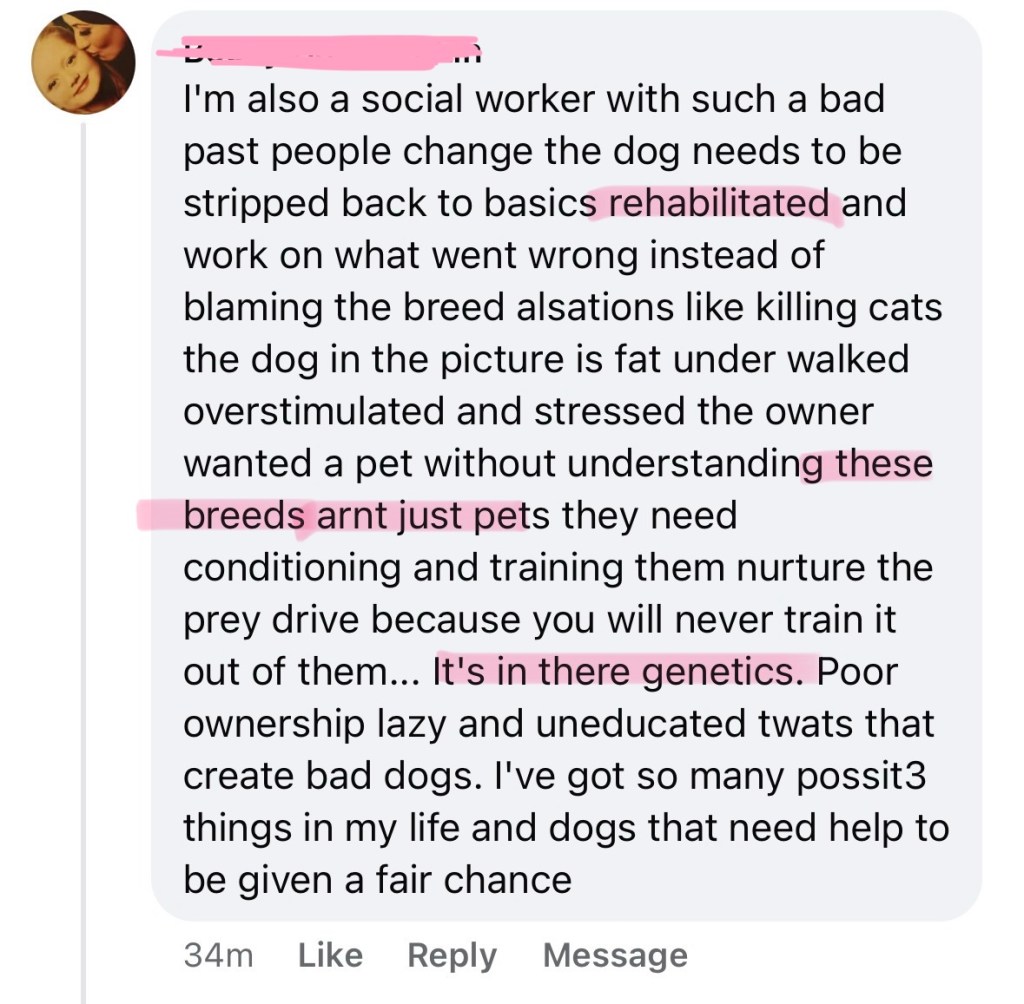
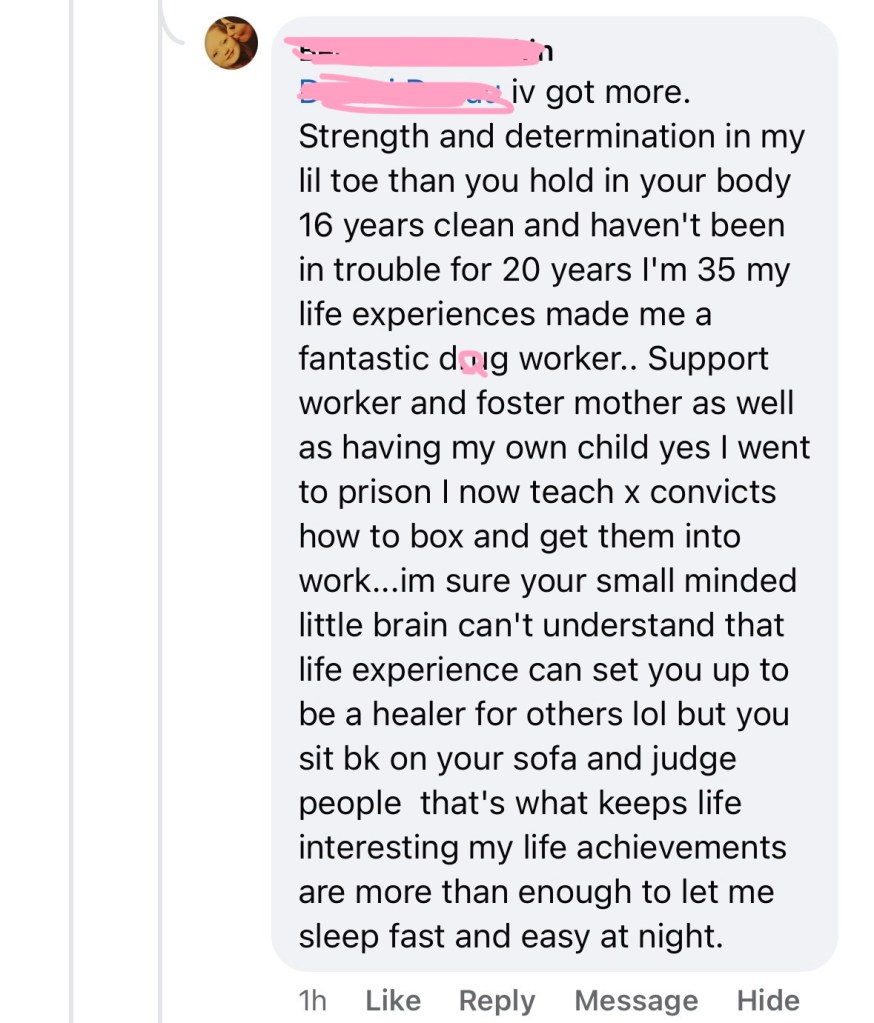
The trolls that arrive to fight end up revealing a pattern, one that many people don’t want to name out loud because it sits at the uncomfortable intersection of psychology, trauma, class struggle, and the way society abandons certain populations.
But we need to talk about it clearly and compassionately, because it is driving the dog attack crisis.
-JL #DBA
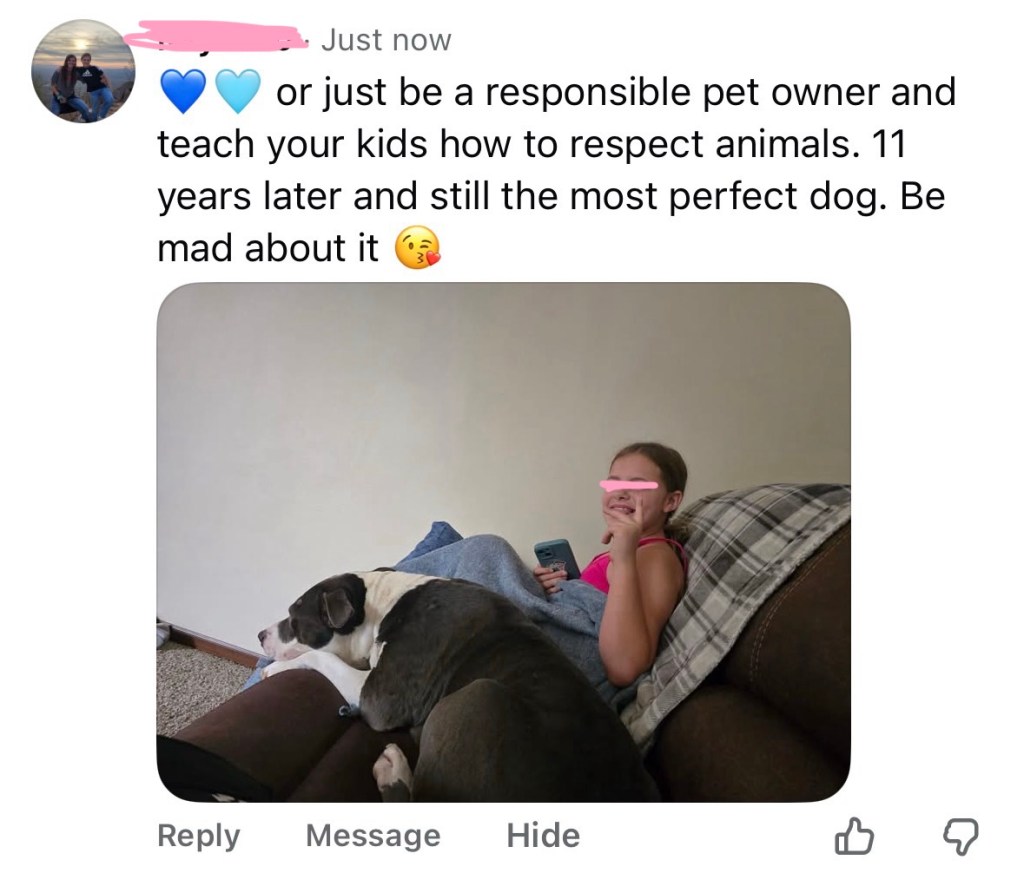
Many of the loudest, most aggressive defenders of bloodsport dogs are not simply “bad people” or “irresponsible owners.”
Instead, they are often survivors of profound trauma who were never supported, never believed, and never taught that safety is a right and not a luxury.
𝗧𝗿𝗮𝘂𝗺𝗮 𝗦𝗵𝗮𝗽𝗲𝘀 𝗛𝗼𝘄 𝗣𝗲𝗼𝗽𝗹𝗲 𝗣𝗲𝗿𝗰𝗲𝗶𝘃𝗲 𝗥𝗶𝘀𝗸
When a person grows up around violence, instability, abuse, addiction, or chronic chaos, the brain adapts in ways that helps them survive but later distorts their perception of danger.
Some survivors normalize:
• explosive behavior
• unpredictability
• volatility
• rapid shifts between affection and aggression
Because this was “regular life” during childhood, their sense of safety becomes tied to managing threats, not avoiding them.
As adults, many are drawn to animals whose behavior mirrors the unpredictability they grew up around. A dog that the average person sees as risky may feel “familiar” or even “comforting.”
This is not stupidity.
This is neuroscience.
𝗪𝗵𝘆 𝗦𝗼 𝗠𝗮𝗻𝘆 𝗧𝗿𝗮𝘂𝗺𝗮 𝗦𝘂𝗿𝘃𝗶𝘃𝗼𝗿𝘀 𝗣𝗶𝗰𝗸 𝗕𝗹𝗼𝗼𝗱𝘀𝗽𝗼𝗿𝘁 𝗕𝗿𝗲𝗲𝗱𝘀
Bloodsport breeds appeal strongly to people who have survived extreme adversity because they symbolically offer:
• protection
• loyalty
• power
• unconditional acceptance
• a sense of mastery over something dangerous
For individuals who feel powerless in the world, owning a dog associated with strength and violence can feel like reclaiming control. And when that dog does not attack them, they interpret it as proof of their special power:
“He’s gentle because I understand him.”
“He acts right because I love him correctly.”
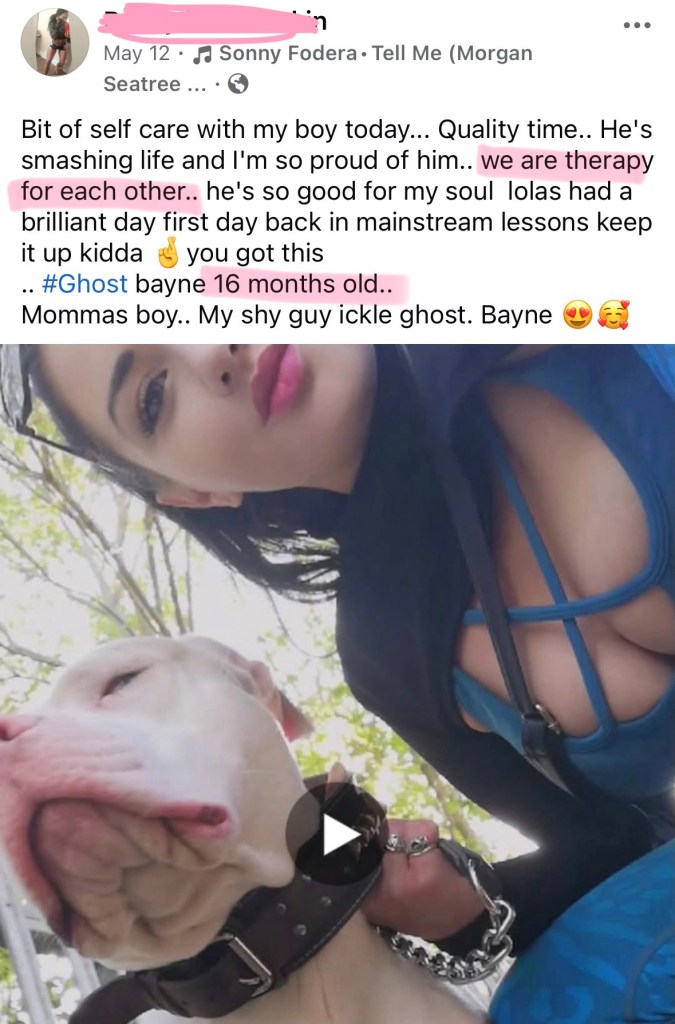
“We heal each other.”
“My trauma bonded me to this breed.”
But this is not a training strategy, it is a trauma response.
The dog isn’t safe because of their healing bond.
The dog is simply in a dormant state… until it isn’t.
(Violent offenders also love these dogs for the exact same psychological reasons.)
𝗪𝗵𝘆 𝗧𝗿𝗮𝘂𝗺𝗮 𝗦𝘂𝗿𝘃𝗶𝘃𝗼𝗿𝘀 𝗦𝗼 𝗢𝗳𝘁𝗲𝗻 𝗕𝗲𝗰𝗼𝗺𝗲 𝘁𝗵𝗲 𝗠𝗼𝘀𝘁 𝗩𝗶𝗼𝗹𝗲𝗻𝘁 𝗗𝗲𝗳𝗲𝗻𝗱𝗲𝗿𝘀 𝗼𝗳 𝗧𝗵𝗲𝘀𝗲 𝗗𝗼𝗴𝘀
Here is where compassion and realism are both necessary.
Many trauma survivors:
• had parents who dismissed their pain
• were punished for expressing fear
• learned that asking for safety gets you hurt
So when advocates warn that bloodsport dogs pose serious risks, survivors often hear:
• “You’re irresponsible.”
• “You can’t handle your own life.”
• “You shouldn’t be trusted with anything.”
That wounds the same part of the self that was already shattered long ago.
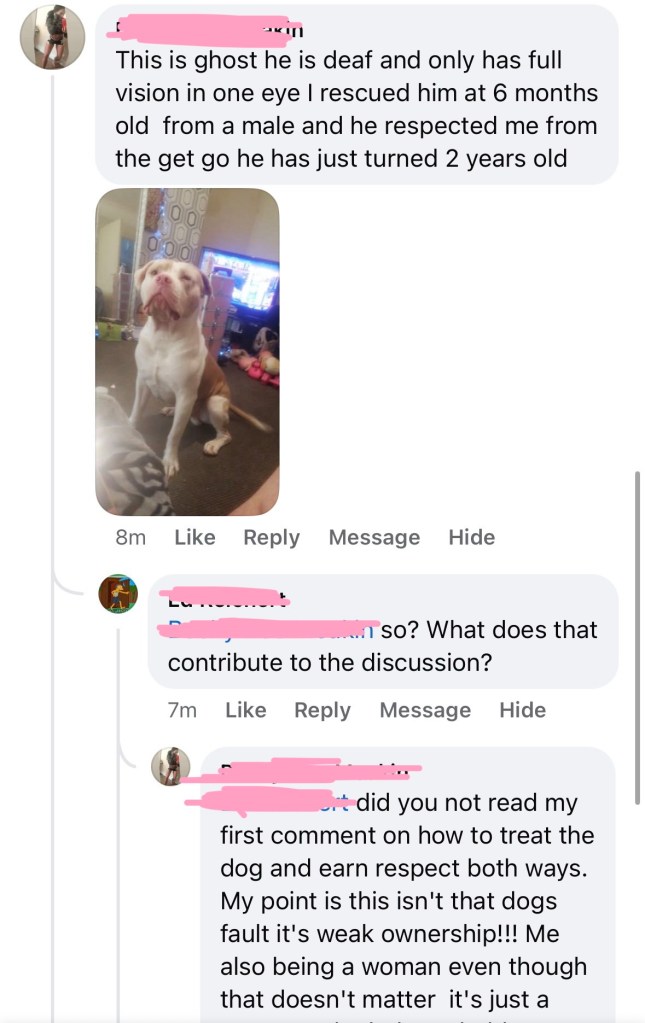
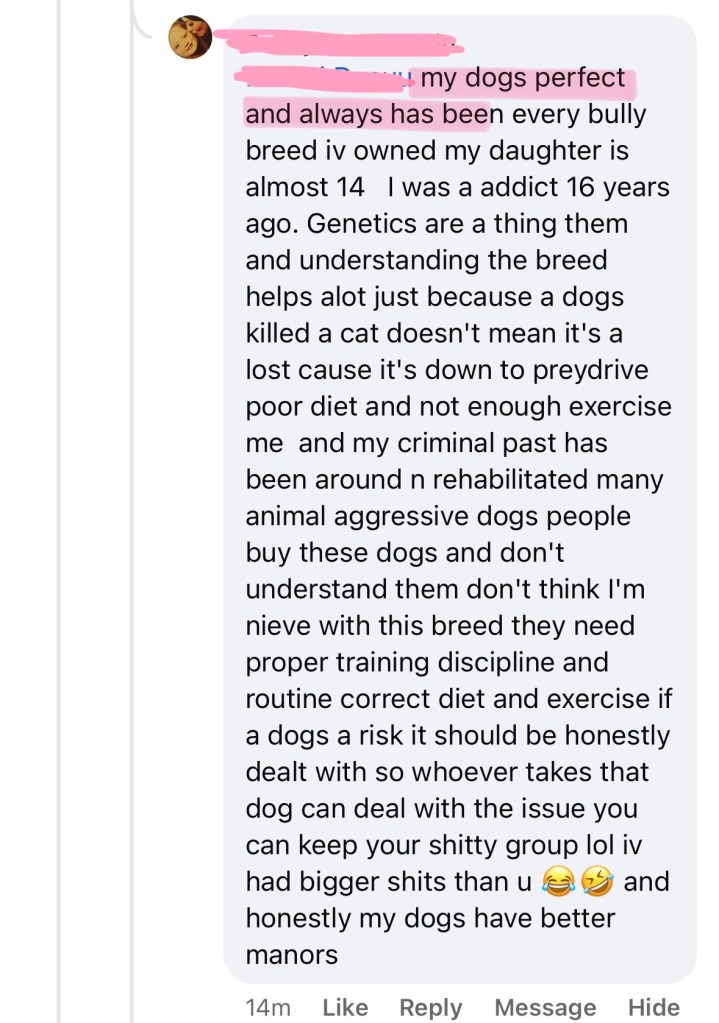
And out comes the familiar trauma defense:
• rage
• denial
• deflection
• attacking the messenger
• reframing violence as “love”
• insisting they have a magical bond that others don’t
This is not typical disagreement.
It’s an identity wound being triggered.
𝗧𝗵𝗲 𝗥𝗲𝗮𝗹 𝗧𝗿𝗮𝗴𝗲𝗱𝘆: 𝗧𝗵𝗲𝘀𝗲 𝗣𝗲𝗼𝗽𝗹𝗲 𝗔𝗿𝗲 𝗧𝗵𝗲 𝗠𝗼𝘀𝘁 𝗟𝗶𝗸𝗲𝗹𝘆 𝘁𝗼 𝗕𝗲 𝗛𝘂𝗿𝘁
The rescue dog pipeline disproportionately funnels high risk animals into the homes of:
• low income people
• domestic violence survivors
• recovering addicts
• single parents
• people with untreated PTSD
• people with cognitive disadvantages or neurodivergence
• those who desperately want love but cannot afford therapy
These individuals are the least equipped to detect subtle canine warning signals, the least protected by stable housing, the least able to afford trainers, and the most likely to be alone with the dog.
They are also the group most emotionally primed to believe:
“I can fix him. I can love the violence out of him.”
This is how fatalities happen.
And it is heartbreakingly preventable.
𝗧𝗿𝗮𝘂𝗺𝗮 𝗶𝘀 𝗱𝗿𝗶𝘃𝗶𝗻𝗴 𝗮 𝗻𝗮𝘁𝗶𝗼𝗻𝗮𝗹 𝘀𝗮𝗳𝗲𝘁𝘆 𝗰𝗿𝗶𝘀𝗶𝘀
We can’t solve the dog attack epidemic without naming this truth:
Unhealed trauma is being exploited by an unregulated rescue industry that pushes unsafe, high risk dogs into the arms of people who are psychologically primed to accept danger as “love.”
This is not the fault of trauma survivors.
It is the fault of:
• rescues that lie
• shelters that omit bite history
• marketers who target vulnerable people
• organizations that romanticize “fixing broken dogs”
• a culture that equates risk taking with virtue
We can meet survivors with empathy while still saying clearly:
It is not safe to give bloodsport dogs to people who learned to survive chaos instead of avoid it.
Healing is possible.
But healing does not come from adopting a loaded weapon.
𝗪𝗲 𝗰𝗮𝗻 𝗯𝗲 𝗰𝗼𝗺𝗽𝗮𝘀𝘀𝗶𝗼𝗻𝗮𝘁𝗲 𝗮𝗻𝗱 𝘀𝘁𝗶𝗹𝗹 𝗱𝗲𝗺𝗮𝗻𝗱 𝗽𝘂𝗯𝗹𝗶𝗰 𝘀𝗮𝗳𝗲𝘁𝘆
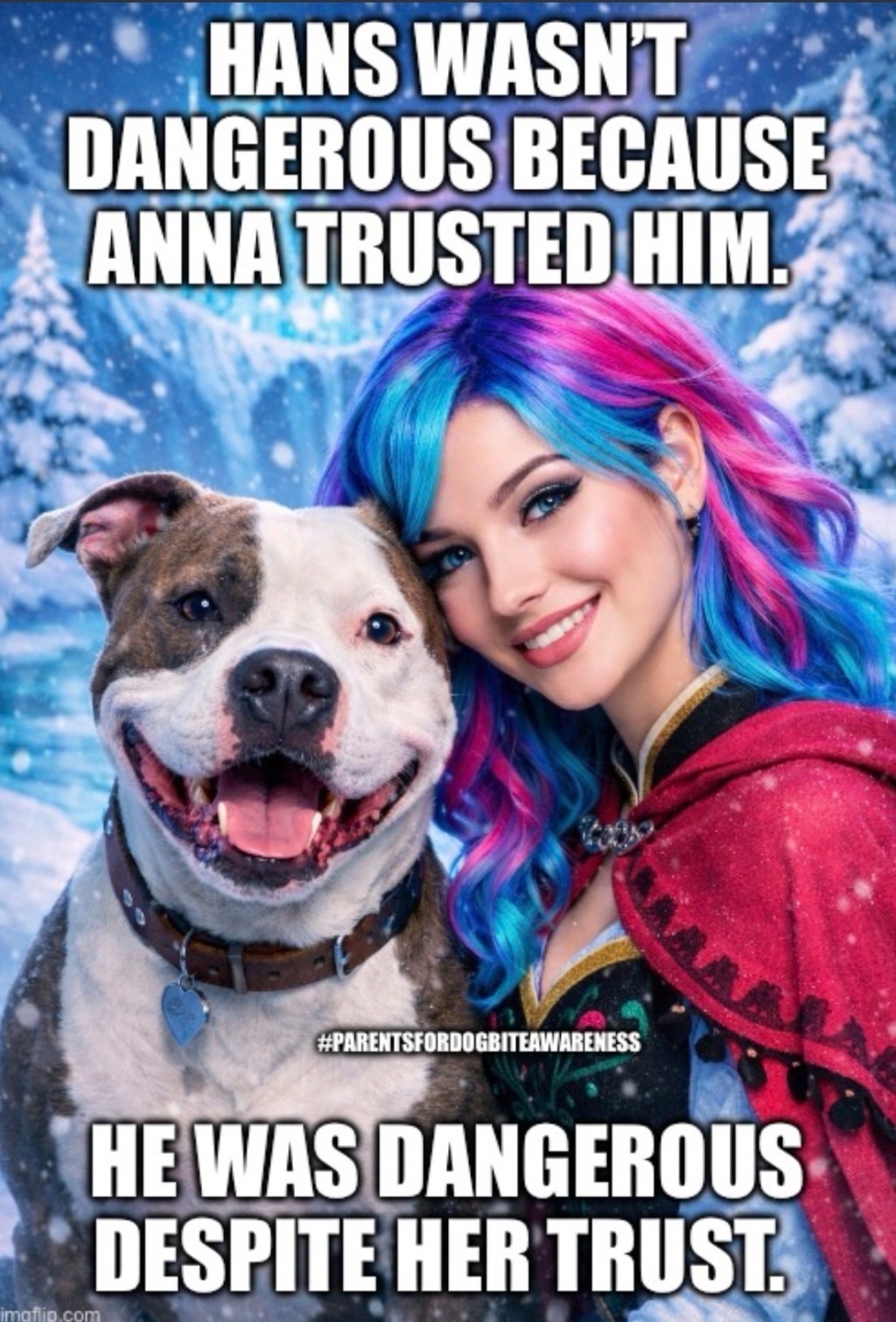
Parents for Dog Bite Awareness is not about judging trauma survivors.
It’s about acknowledging that trauma changes risk perception, and the rescue industry exploits this to move dangerous dogs into vulnerable homes.
We must advocate for:
• transparency
• regulation
• mandatory disclosures
• community safety
• trauma aware messaging
• responsible adoption pipelines
And above all:
We must recognize that untreated trauma is creating a human tragedy and a public safety crisis.
If no one names it, we can’t fix it.
#seeit 🐾📣
 Parents for Dog Bite Awareness
Leave a comment