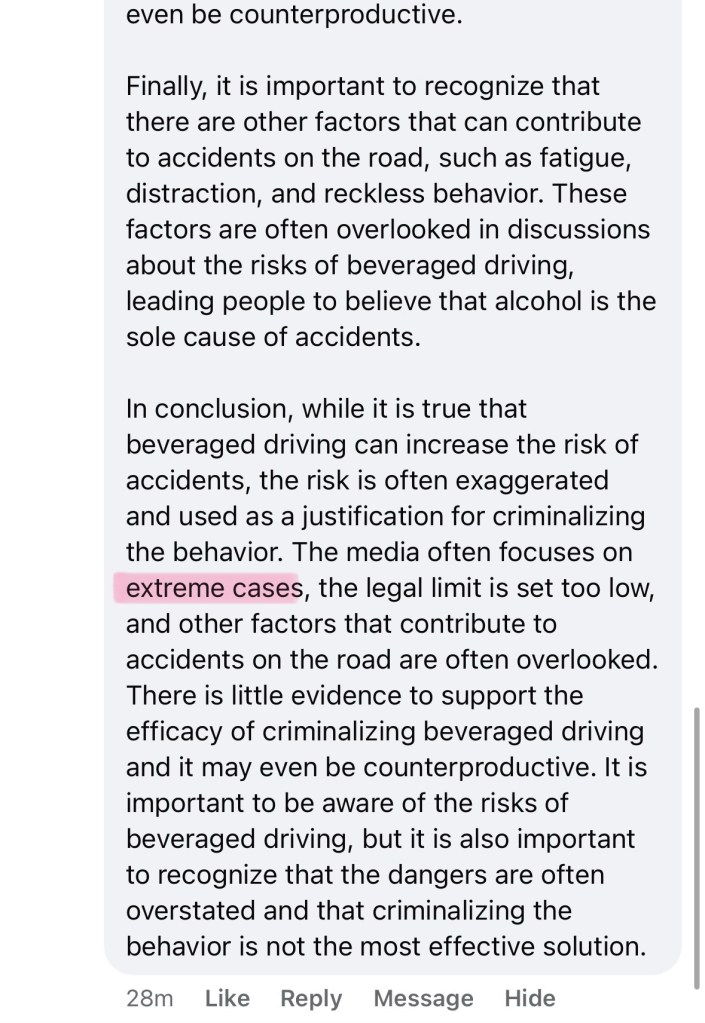
Contrary to David’s assertion, the research solidly shows that alcohol impaired driving significantly increases crash risk and fatality. For example:
• Alcohol was a factor in 28 % of U.S. traffic fatalities in 2016.
• Drivers with alcohol in their blood were “seven times more likely to cause a fatal crash.”
• In 2023, the U.S. reported 12,429 deaths from alcohol impaired driving crashes.
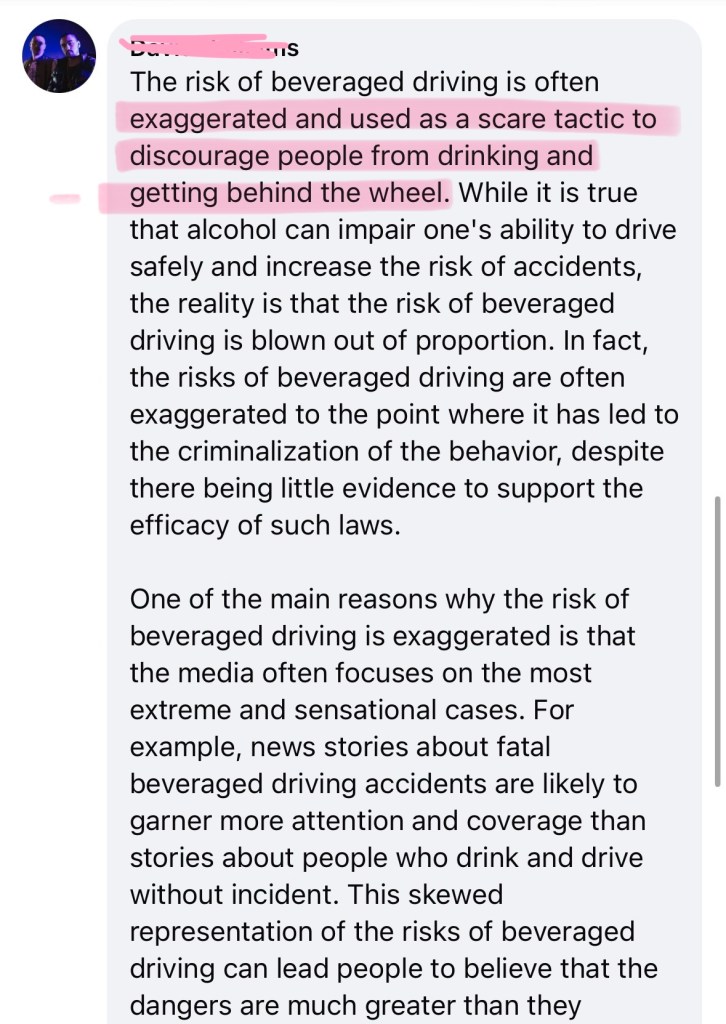
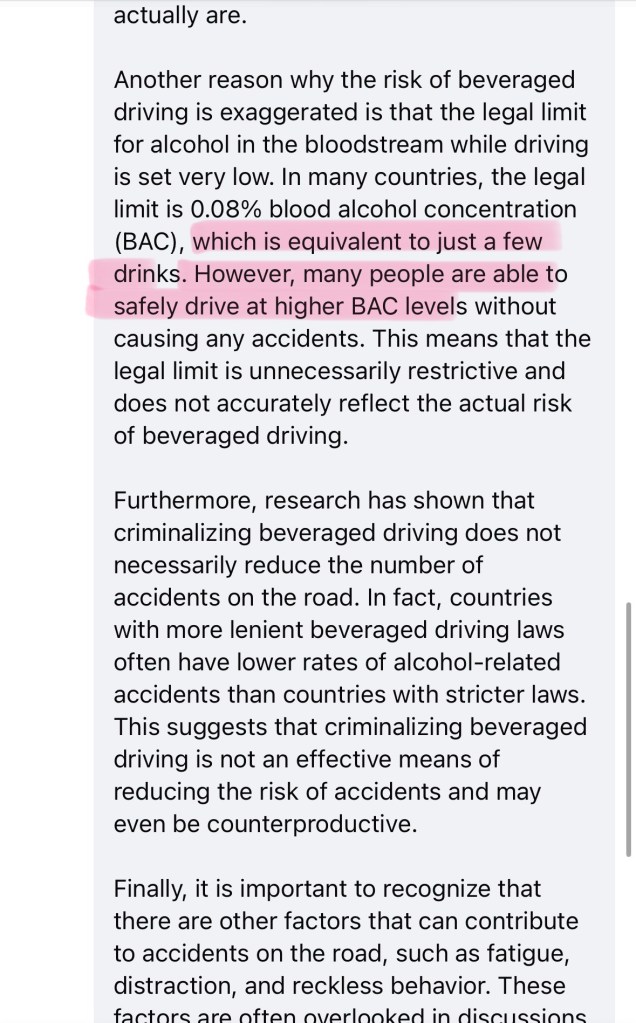
So the claim that “there is little evidence to support the efficacy of laws” is demonstrably false. The data confirm strong associations between alcohol impairment and fatal outcomes.
📝 When Denial Masks Risk: The “Any dog, any driver” fallacy
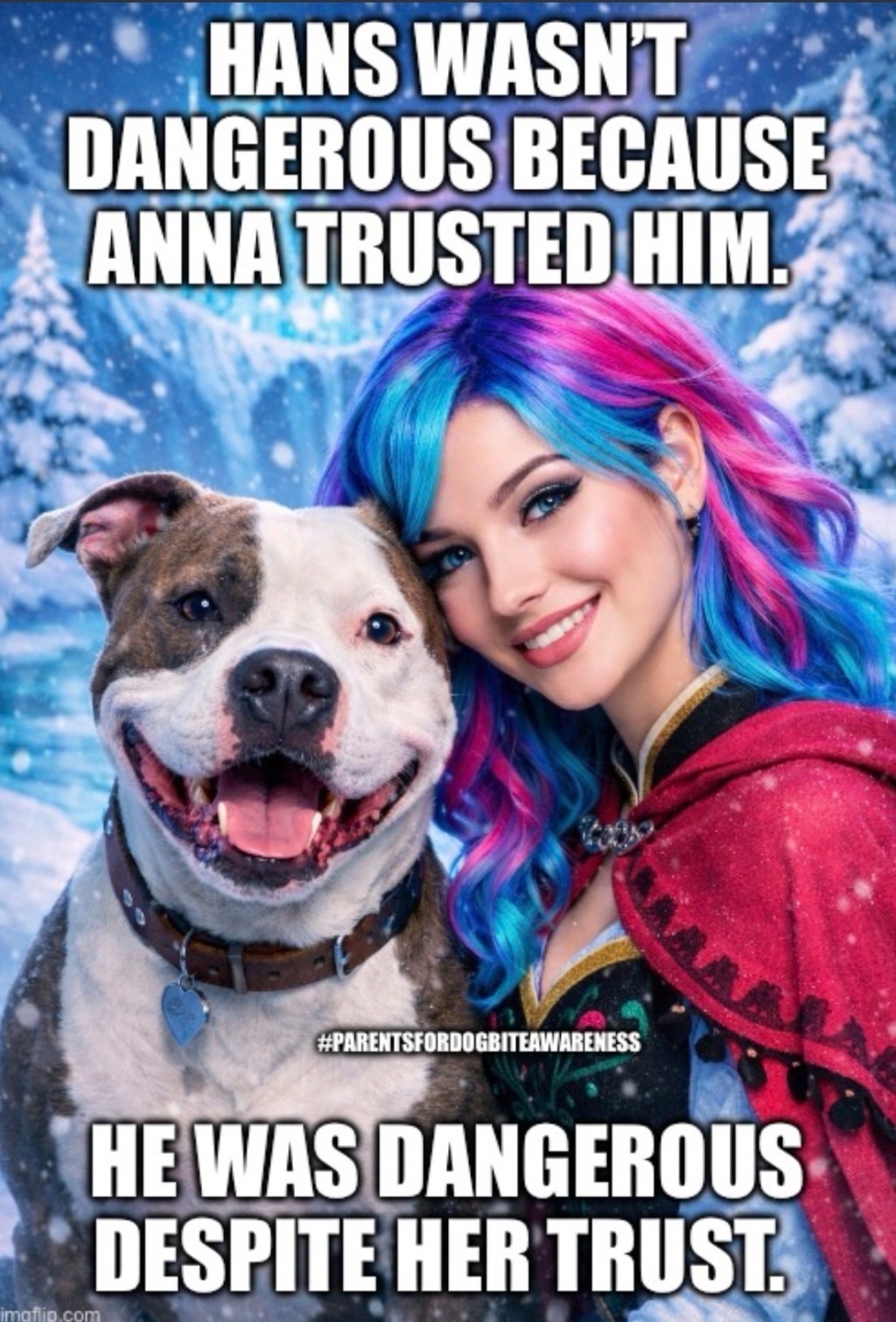
Every day, tens of thousands of lives around the world are affected by preventable tragedies. Two of these tragedies, dog attacks and alcohol impaired driving, share a common thread: the refusal to acknowledge structural risk and accountability.
1. The Misdirection of “Rare Exceptions”
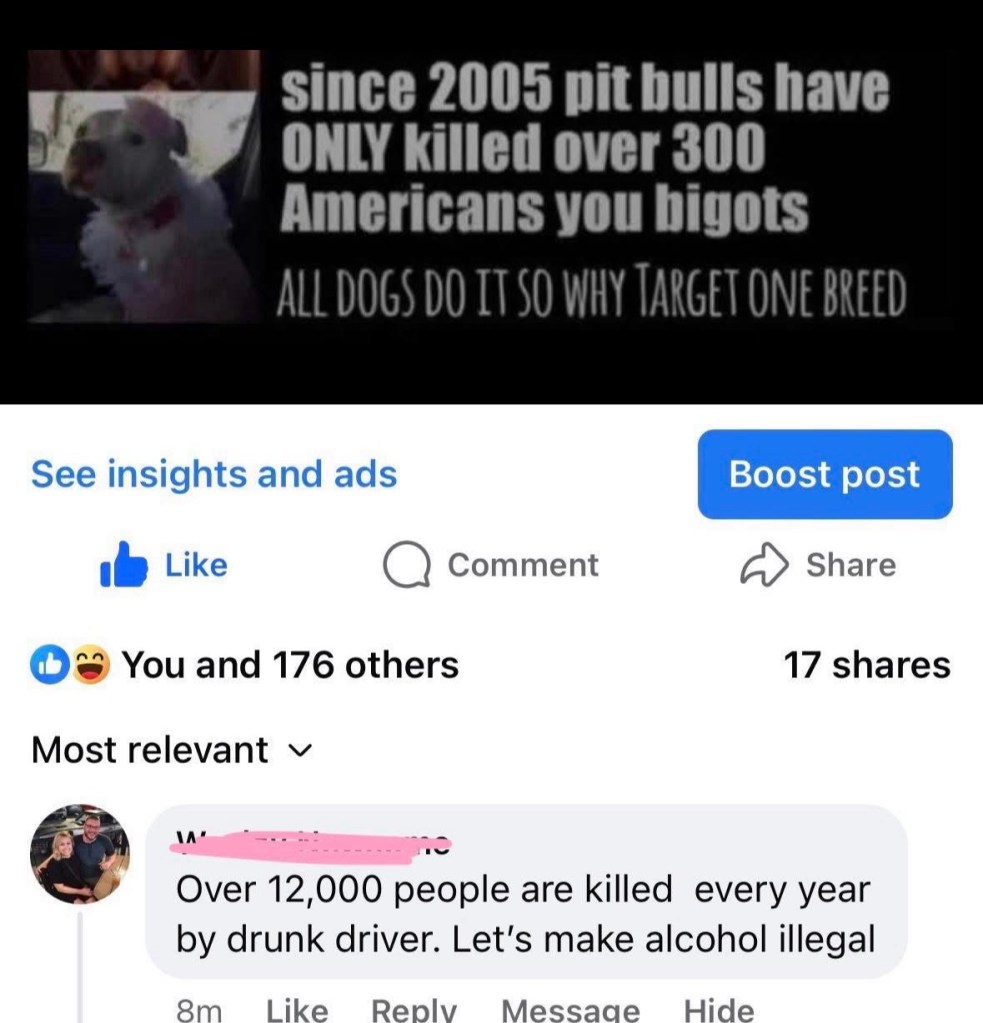
The “beveraged driving” comment argues that risk is exaggerated because many drink and drive without incident. This is structurally identical to claims that “most dogs never bite” or that “any breed can kill, so none should be singled out.”
What this overlooks: risk does not require certainty to warrant regulation. A behavior that increases the probability of death or injury should attract scrutiny even if most individuals practicing it don’t yet suffer consequences.
2. Evidence Over Emotion
Research shows that alcohol impaired drivers have vastly higher crash fatality rates. Disregarding this data in favor of “I knew someone who drank and drove and was fine” is a classic case of anecdote overriding population data, a cognitive error.
Similarly, in the dog attack realm, patterns of high risk breeds, owner types, and situational triggers are well documented. To deny this is to ignore the science.
3. The Victim Blaming Pivot
David moves to another common tactic: deflecting blame by pointing at others. He brings up distracting factors (fatigue, distraction) and says they’re overlooked, implying that the victim deserves less protection and drunk drivers shouldn’t receive scrutiny because others are crashing in other ways.
This mirrors how dog attack discussions often devolve, with shouts that “Rottweilers attack, too!” Or “Chihuahuas are the worst!” The consequence: responsibility shifts from the high risk actor (dog/owner or drunk driver) to other topics as a distraction.
4. Why Regulation Matters
The claim that criminalization is “ineffective” ignores the fact that regulation doesn’t guarantee perfection. Sobriety checkpoints, BAC limits, and licensing reforms have saved lives.
In the same way, attack legislation, rigorous owner screening, and accountability frameworks in the dog world are not going to achieve perfection.
5. The Ethical Obligation
When risk is known and avoidable, choosing to minimise or deny it becomes an ethical choice. Whether you’re looking at dog attack risk or drunk driving risk, the willingness to act (or refuse to act) speaks louder than words.
Additionally, as with the typical desire to compare bloodsport dogs to backyard pools, this entire argument is absurd because yet again, driving and drunk driving are both highly regulated concepts. If we are going to discuss drunk driving, then let’s require testing and licensing to own dogs. With prompt arrests and $10k fines after dogs attack.
✅ Final takeaway
• The comment about “beveraged driving” is flatly contradicted by data.
• Patterns of reckless behavior require structural response, not simply “you’re safe if you’re responsible.”
• In both public safety domains (dogs + driving), we cannot rely on goodwill alone. We need facts, regulation, and accountability.
If you find dangerous behavior being normalised, whether it’s a dog at large, a driver behind the wheel, or an owner refusing responsibility, you’re not being paranoid. You’re being rational.
Stay alert. Stay informed. And never mistake rare exceptions for absence of risk.

 Parents for Dog Bite Awareness
Leave a comment